Quick Answer
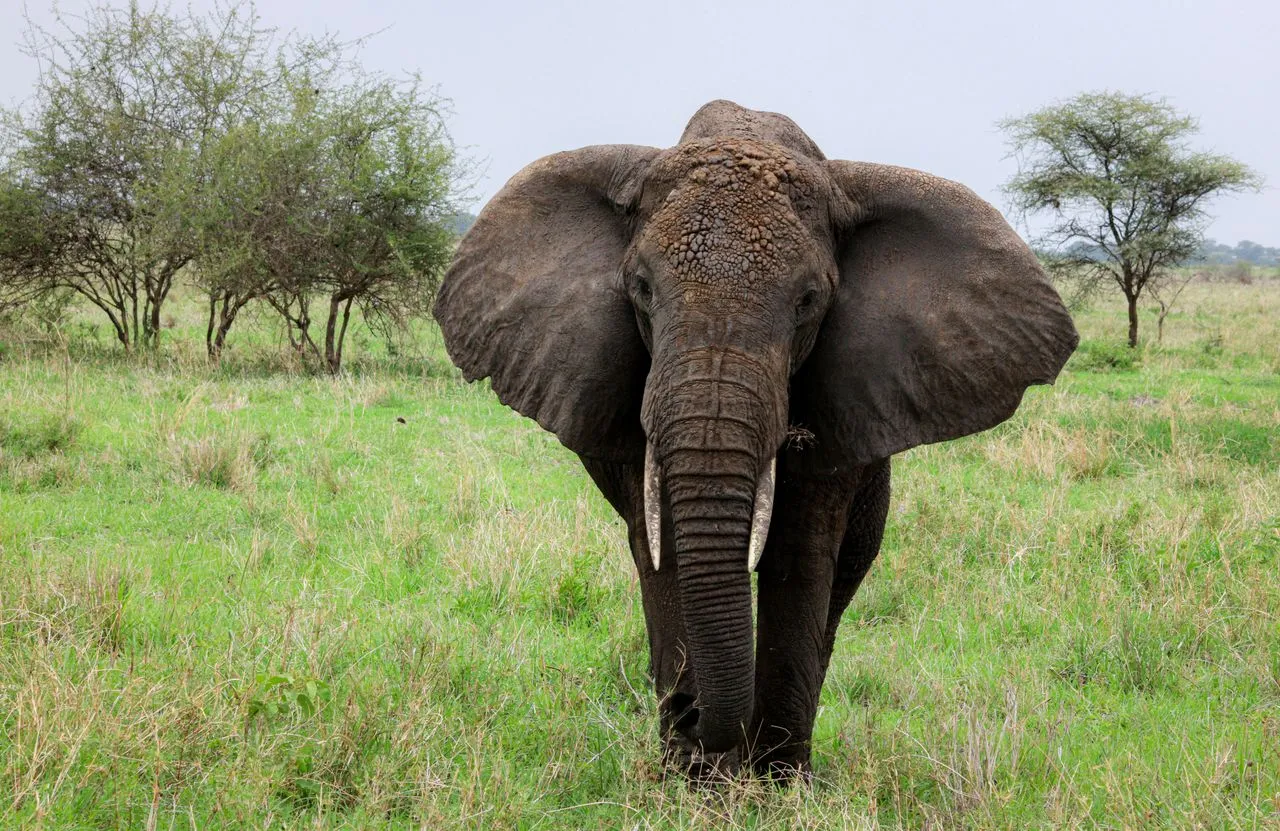
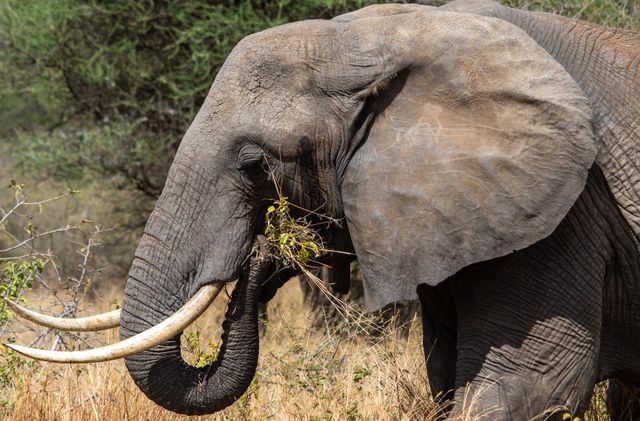
The African forest elephant is critically endangered for three main reasons: poaching driven by the ivory trade, habitat loss from logging and farming, and a reproduction rate that’s painfully slow. These elephants take longer to have babies than any other land mammal on Earth, which means once their numbers fall, there’s no quick way back.
Are Elephants Endangered? A Quick Overview
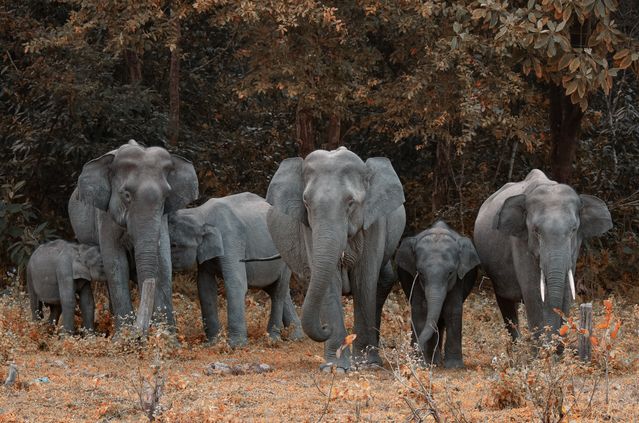
Yes, though the risk isn’t spread evenly across the species. Elephants actually come in three distinct types today:
| Species | Conservation Status |
|---|---|
| African Forest Elephant | Critically Endangered |
| African Savanna Elephant | Endangered |
| Asian Elephant | Endangered |
Of the three, the African forest elephant – found deep in the rainforests of Central and West Africa – is in the worst shape, according to the International Union for Conservation of Nature (IUCN).
Were Elephants Endangered in the Past?
Elephant populations haven’t followed a straight downward line. It’s been more of a rollercoaster over the past century:
- Early 1900s: Millions of elephants still roamed across the African continent.
- 1970s–1980s: An ivory poaching crisis tore through populations, wiping out huge numbers in a short span.
- 1989: An international ban on the ivory trade gave some regions a real chance to recover.
- 2000s–today: Forest elephants took a fresh hit, losing an estimated 60–65% of their population in less than a decade.
So while elephants in general have been under pressure for generations, what’s happening to forest elephants right now ranks among the steepest declines ever recorded for the species.
Main Reasons the African Forest Elephant Is Endangered
1. Poaching for Ivory
Forest elephant tusks happen to be straighter, harder, and have a pinkish tint – qualities that make them especially valuable on the black market. That’s put a target on their backs, and international bans haven’t been enough to stop the demand.
2. Habitat Loss
The rainforests of Central Africa are disappearing rapidly. According to data tracked by the [World Wildlife Fund (WWF)], a few aggressive forces are driving this destruction
- Logging operations clearing land for timber
- Farmland expansion for palm oil and cocoa
- New roads cutting through once-untouched forest, which ironically gives poachers easier access
Less forest cover translates directly into less food, less territory, and more run-ins with nearby communities.
3. Extremely Slow Reproduction
Here’s the part most people don’t realize. African forest elephants:
- Don’t reach sexual maturity until roughly age 23
- Carry a pregnancy for 22 months longer than any other mammal
- Produce just one calf every 5 to 6 years
For context, a rabbit can produce several litters in a single year. Once forest elephant numbers take a hit, getting back to healthy population levels isn’t a matter of years – it’s decades.
4. Human-Elephant Conflict
As their forest habitat keeps shrinking, elephants increasingly wander onto farmland in search of food. That leads to damaged crops and, at times, dangerous face-offs with the farmers trying to protect their livelihood.
5. Weak Law Enforcement in Remote Areas
Thick rainforest terrain makes patrolling incredibly difficult for rangers, especially in regions already dealing with political instability. Poachers know this, and they exploit it.
Common Misconceptions (Quick Myth-Busting)
| Myth | Fact |
|---|---|
| “All elephants are the same species.” | There are actually 3 distinct species, each facing a different level of risk. |
| “Elephants breed quickly, so they’ll recover fast.” | They have the slowest reproduction rate of any land mammal alive today. |
| “The ivory ban solved the problem.” | Illegal poaching and black-market trade never really stopped. |
What's Being Done to Help?
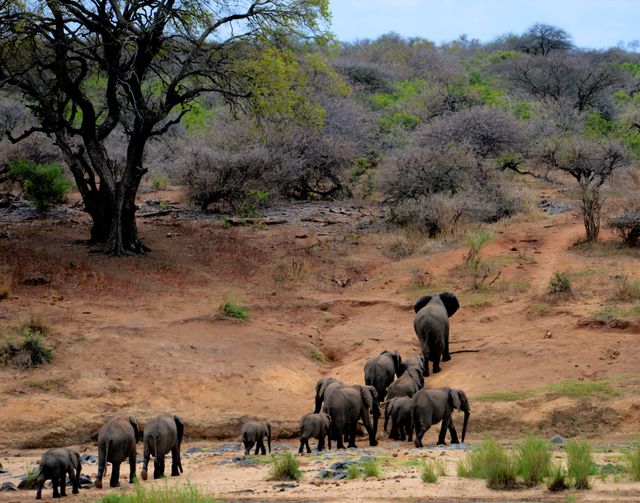
A mix of conservation groups and governments are tackling the crisis from several angles:
- Anti-poaching ranger patrols stationed in rainforest reserves
- Satellite tracking collars used to follow herd movements in real time
- Community-based conservation, giving local residents an economic reason to protect elephants rather than poach them
- Tougher ivory trade bans, backed by stricter penalties for anyone caught smuggling
FAQs
Ivory poaching and habitat destruction from logging remain the two biggest threats they face today.
Current estimates put the number below 100,000, though pinning down an exact figure is difficult given how dense and remote their habitat is.
Between a 22-month pregnancy and not reaching maturity until around age 23, each female only manages to produce a handful of calves over her entire lifetime.
No - genetic differences led scientists to officially classify them as separate species back in 2021.
It's possible, but only through sustained anti-poaching work and forest protection. Given how slowly they breed, any real recovery is going to be a long game, not a quick fix.
Final Thoughts
The African forest elephant’s situation comes down to bad timing more than anything else – a species built for a slower, steadier world now caught between rapid deforestation and relentless poaching. Protecting these elephants really comes down to one thing: protecting the rainforests they depend on.
Want more quick, fact-checked animal explainers like this one? Check out our other Wildlife Facts and Endangered Species Guide articles for your next school project or curiosity break.
Want more quick, fact-checked animal explainers like this one? If you want to explore further wildlife topics, read our guides on [why are snow leopards endangered] or see the challenges facing marine life in our article on [why are sea turtles endangered]