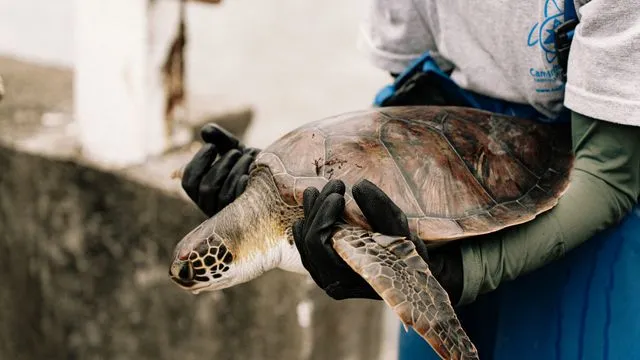
“Sea turtles are endangered mainly because of human activities like plastic pollution, accidental capture in fishing nets, and destruction of nesting beaches. These ancient mariners need our help to keep ocean ecosystems safe and healthy!”
Imagine swimming across thousands of miles of deep blue ocean wearing a built-in suit of armor that you’ve carried for over 100 million years. It sounds like an epic superhero movie, but for sea turtles, it is just everyday life!
These ancient reptiles are true ocean explorers that help keep marine ecosystems healthy. However, nearly all six species of sea turtles found in our oceans are currently threatened or endangered due to human impacts.
In this guide, you’ll discover why sea turtles are facing these survival struggles and what conservationists are doing to protect them. It is the ideal research for your next school science report!
Dangerous Plastic Pollution
Floating plastic waste in the water is one of the deadliest hazards a sea turtle can encounter. To a hungry turtle, a clear plastic bag drifting in the waves looks identical to a delicious, squishy jellyfish!
When turtles accidentally swallow plastic bags or trash, it clogs their stomachs and makes them feel full. This stops them from eating real food and causes severe health issues.
Trapped in Commercial Fishing Gear
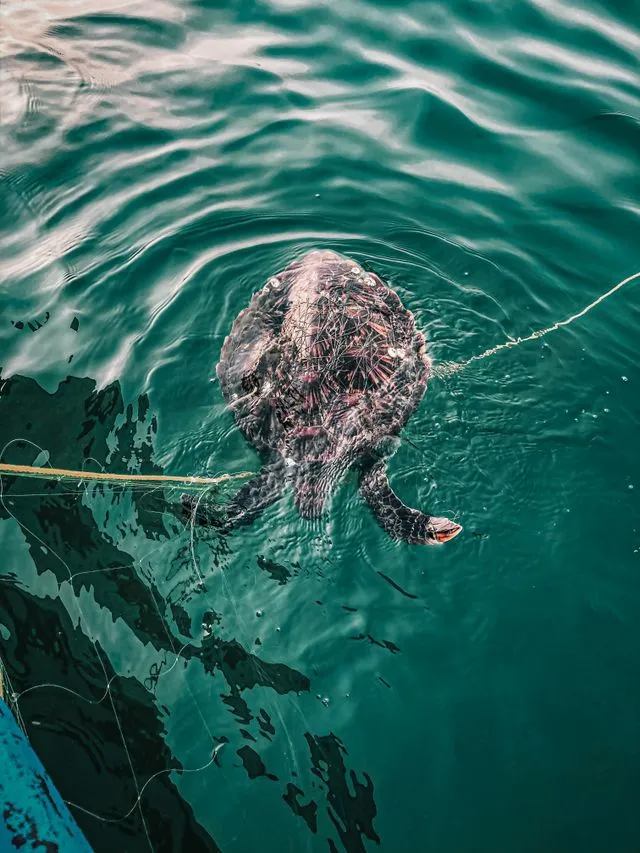
Another massive danger in the open ocean is accidental capture in commercial fishing equipment, known as bycatch.
Sea turtles are reptiles, which means they must swim up to the surface to breathe air. When they get tangled in abandoned fishing nets or caught on longline fishing hooks deep underwater, they cannot reach the surface to breathe and end up drowning.
Did You Know? 🌟
Sand temperature determines whether a baby sea turtle is born a boy or a girl! Warmer nest sand produces mostly female hatchlings, while cooler sand creates males. Scientists call this Temperature-Dependent Sex Determination!
Losing Their Nesting Beaches
Female sea turtles possess an amazing internal compass that guides them back to the exact same beach where they were born to lay their eggs. Unfortunately, many of these nesting beaches are disappearing due to human activity.
Coastal Development: Hotels and roads built on beaches destroy safe nesting spots.
Bright Beach Lights: Artificial lights confuse newborn hatchlings, leading them toward dangerous streets instead of the dark ocean horizon.
Global Warming: Rising sea levels can wash away entire sandy nests before the eggs hatch.
Natural Hazards vs. Human Threats
While sea turtles face natural challenges in the wild, human activities cause the vast majority of their population drops.
| Threat Category | Example | Impact on Sea Turtles |
| Natural Challenge | Predators like crabs and seagulls | Eat baby hatchlings moving from nest to ocean |
| Human Threat | Ocean plastic trash | Swallowed by mistake; clogs stomach and causes starvation |
| Human Threat | Commercial fishing nets | Traps swimming adults underwater, causing them to drown |
Myth vs. Fact: Sea Turtle Edition
| Myth | Real Fact |
| Sea turtles can hide inside their shells like land tortoises. | They cannot pull their heads or flippers into their shells! This body shape helps them swim faster. |
| Baby turtles are guided to the ocean by the moon’s light. | They head toward the brightest horizon—which used to be moonlight reflecting off the ocean before city lights existed. |
| Sea turtles lay eggs in the water. | Female turtles must climb onto dry, sandy land to dig nests and lay eggs! |
Quick Fun Facts 🐢
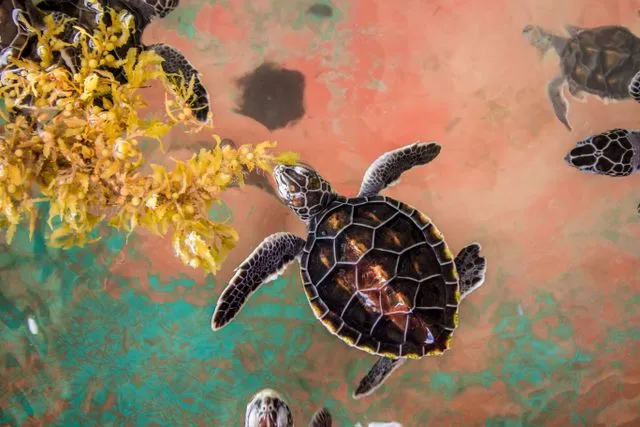
Sea turtles have been swimming in Earth’s oceans since the age of the dinosaurs!
Leatherback sea turtles can dive down deeper than 3,000 feet searching for deep-water prey.
Female turtles dig nests using their rear flippers and lay around 100 ping-pong-ball-sized eggs per nest.
Green sea turtles get their name from the green layer of fat under their shells, which comes from eating seagrasses!
Frequently Asked Questions
While resting or sleeping underwater, a sea turtle can hold its breath for up to 4 to 7 hours! However, when swimming or escaping danger, they need to surface for air every few minutes.
Sea turtles have vision designed to spot floating prey underwater. To a sea turtle, a clear plastic bag drifting in the current looks almost identical to a swimming jellyfish.
It is estimated that only about 1 in every 1,000 hatchlings survives to become a fully grown adult turtle due to predators and human hazards.
Kids can help by reducing single-use plastics, picking up beach trash, and reminding families to turn off outdoor beach lights during nesting seasons!
Conclusion
Sea turtles face serious threats from plastic trash, fishing nets, and lost nesting beaches, but we have the power to help them recover. By cleaning up our oceans and protecting nesting shores, we can ensure these ancient ocean travelers keep swimming for millions of years to come.
To discover more cool ocean wildlife guides, check out our articles on how coral reefs protect marine life and why blue whales are so huge.