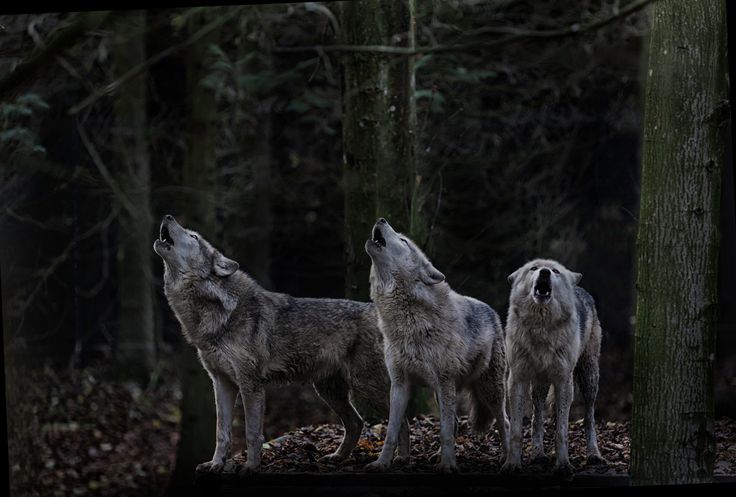
The sound of wolves howling at night can feel mysterious—but it’s not random. It’s actually a powerful way of communication.
Introduction
Wolves are highly social animals that live and hunt in groups called packs. One of their most well-known behaviors is howling. While many people think wolves howl at the moon, the truth is very different. Howling is an important way for wolves to communicate with each other, especially over long distances.
1. Communication with the Pack
Wolves howl to stay connected with other members of their pack. Since they often move across large areas, howling helps them find each other and stay together.
2. Marking Territory
Howling is also used to warn other wolves to stay away. It tells outsiders that the area already belongs to a pack.
3. Calling Missing Members
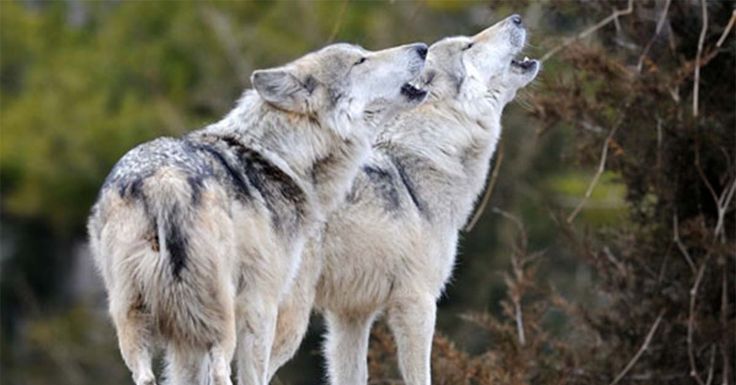
If a wolf gets separated, it may howl to let others know its location. The rest of the pack may respond and guide it back.
4. Strengthening Social Bonds
Wolves sometimes howl together as a group. This group howling helps strengthen their bond and maintain unity within the pack.
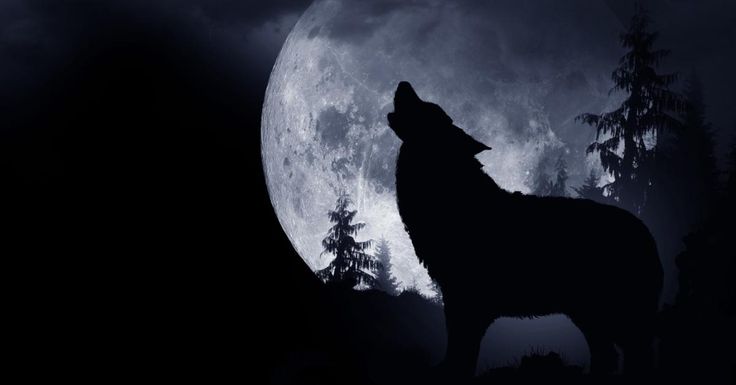
Do Wolves Really Howl at the Moon?
No, this is a common myth.
Wolves may tilt their heads upward while howling, which makes it look like they are howling at the moon. In reality, they are just projecting their sound farther.
How Far Can a Wolf’s Howl Be Heard?
A wolf’s howl can travel up to 10–15 kilometers in open areas.
👉 This makes it an effective long-distance communication tool.
Interesting Facts About Wolves
- Wolves use different types of howls for different messages
- Each wolf’s howl is slightly unique
- They are most active during the night
- Wolves rely heavily on teamwork
Conclusion
Wolves howl not because of the moon, but to communicate, protect their territory, and stay connected with their pack. It is a key behavior that helps them survive in the wild.