Many people think chameleons change color only to hide from predators. The truth is much more fascinating.
Introduction
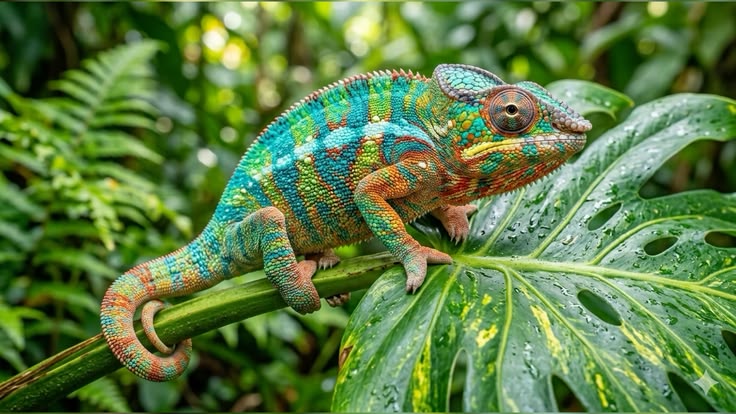
Chameleons are among the most unique reptiles in the world. They are famous for their ability to change color, making them one of nature’s most interesting animals. While camouflage is one reason for color change, chameleons also use colors to communicate, control body temperature, and express emotions.
Can Chameleons Really Change Color?
Yes, chameleons can change their skin color within minutes or even seconds.
They can display colors such as:
- Green
- Yellow
- Brown
- Blue
- Red
- Black
The exact colors depend on the species and situation.
How Do Chameleons Change Color?
Chameleons have special cells in their skin called chromatophores and iridophores.
These cells contain pigments and tiny crystals that reflect light.
When the cells expand or contract, the color of the skin changes.
Why Do Chameleons Change Color?
1. Communication
Chameleons use colors to send messages to other chameleons.
Bright colors may signal:
Strength
Dominance
Interest in mating
2. Temperature Control
Since chameleons are cold-blooded animals, they use color to regulate body temperature.
Dark colors absorb more heat
Light colors reflect sunlight
3. Mood and Emotions
A chameleon’s color can indicate how it feels.
Different colors may show:
Stress
Fear
Aggression
Relaxation
4. Camouflage
Although not the main reason, color change can help chameleons blend into their surroundings and avoid predators.
Other Amazing Chameleon Abilities
Chameleons have several unique features:
- Eyes that move independently
- Long sticky tongues
- Strong gripping feet
- Excellent climbing skills
Interesting Facts About Chameleons
- There are over 200 species of chameleons
- Their tongue can be longer than their body
- They can look in two directions at the same time
- Most chameleons live in Africa and Madagascar
Conclusion
Chameleons change color for many reasons, including communication, temperature control, emotions, and camouflage. Their special skin cells make them one of the most fascinating reptiles on Earth.