Pangolins are threatened mainly by illegal hunting and wildlife trafficking, with habitat loss adding further pressure. All eight living pangolin species are protected from international commercial trade, but illegal trade continues.
Imagine finding a mammal covered in overlapping scales like a reptile, armed with powerful claws, and carrying a tongue specialized for catching ants and termites. That animal is the pangolin—and despite its remarkable defenses, it has one major weakness: humans.
Pangolins live across parts of Africa and Asia, but many populations have been heavily affected by hunting and illegal wildlife trade.
🐾 Animal: Pangolin
🌍 Range: Africa and Asia
🛡️ Main Defense: Overlapping keratin scales
🍽️ Diet: Mainly ants and termites
🌙 Behavior: Mostly nocturnal and often solitary
⚠️ Main Threat: Illegal hunting and trafficking
1. Their Scales Are Their Greatest Defense
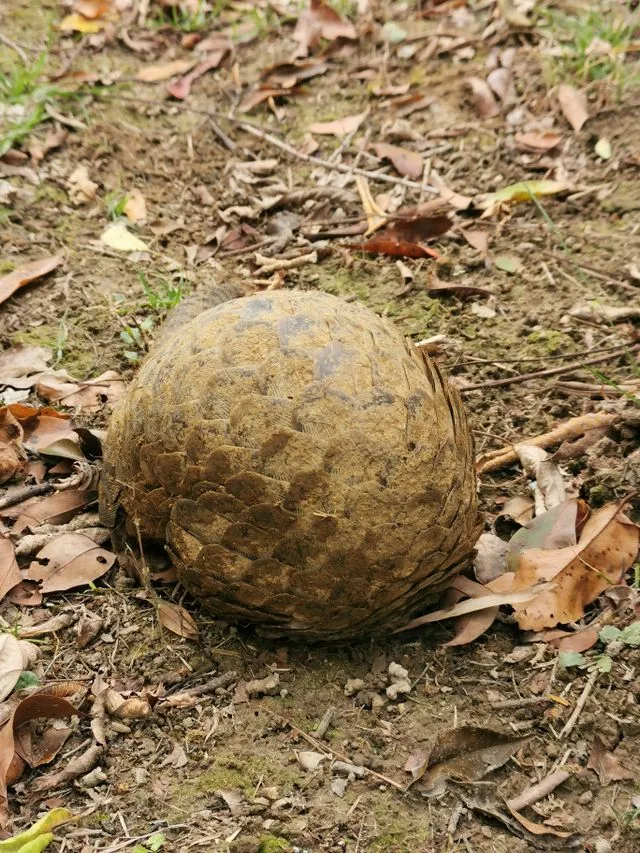
Pangolins are the only mammals covered in scales. These scales are made of keratin, the same basic material found in human fingernails.
When threatened, a pangolin can curl its body into a tight ball, presenting its tough scales to a predator.
This is an impressive natural defense—but it doesn’t work well against humans.
2. Illegal Wildlife Trade Is the Biggest Threat
The biggest problem facing pangolins isn’t a natural predator—it’s illegal hunting.
Pangolins are captured from the wild and illegally traded internationally. Their meat is consumed in some places, while their scales have been used in traditional cultural practices despite lacking scientifically established medicinal value.
The pressure is particularly serious for Asian pangolins. As populations declined in parts of Asia, illegal trafficking also expanded its focus to African pangolin species.
3. Habitat Loss Makes Survival Harder
Illegal hunting isn’t the only problem.
Pangolins also depend on suitable forests, grasslands, and other habitats for food and shelter. Habitat destruction can reduce the availability of ant and termite colonies and suitable places for pangolins to live.
For some species, habitat loss is considered a secondary but important threat.
4. Why Are Pangolins Difficult to Protect?
Pangolins are particularly difficult for researchers to study.
Many species are:
- Nocturnal
- Burrowing
- Solitary
- Difficult to observe in the wild
This means scientists still have important gaps in their knowledge about pangolin populations, health, behavior, and ecology.
Visual Breakdown: Pangolin Survival
| Feature | 🐾 Pangolin Adaptation |
|---|---|
| 🛡️ Defense | Hard overlapping scales |
| 👅 Feeding | Long muscular tongue |
| 👃 Finding food | Strong sense of smell |
| 🦷 Teeth | None |
| 🌙 Activity | Mostly nocturnal |
| 🕳️ Shelter | Burrows and hidden spaces |
| ❌ Myth | ✅ Fact |
|---|---|
| Pangolins are reptiles because they have scales. | Pangolins are mammals. |
| Their scales make them almost impossible to hunt. | Their scales protect them from many predators, but they do not protect them from human capture. |
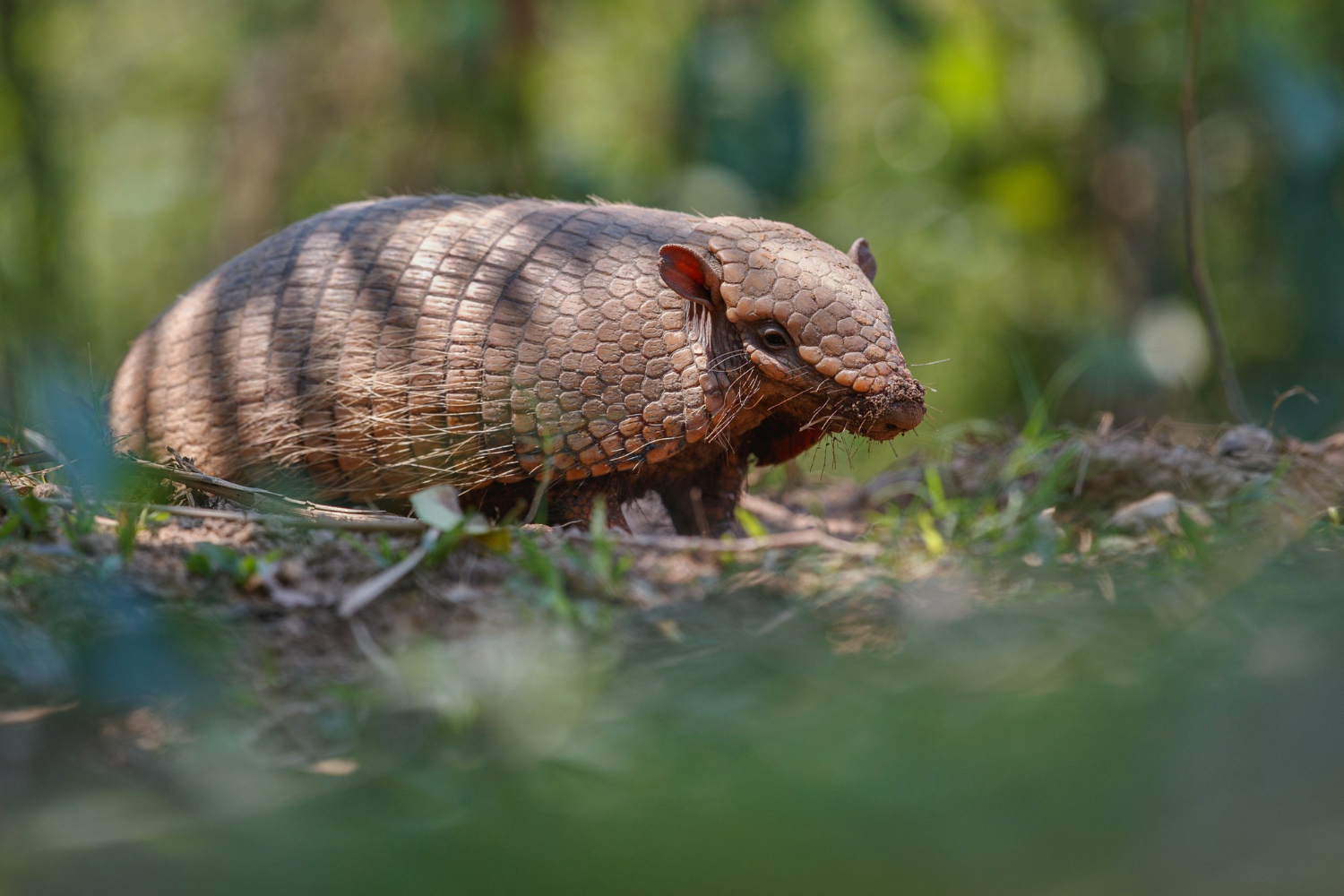
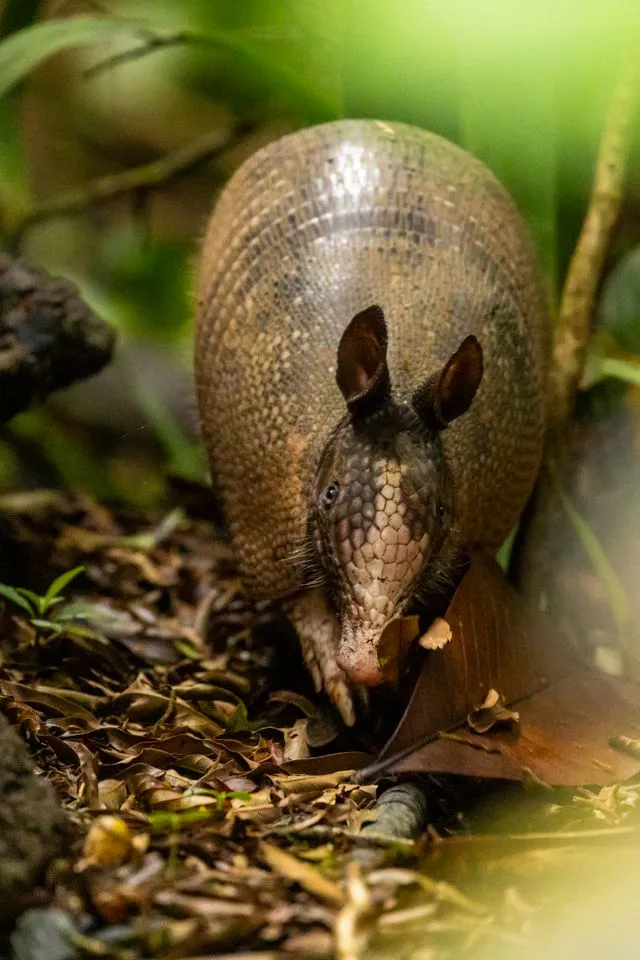
| Pangolins are closely related to armadillos because both have armor. | Pangolins belong to their own mammalian order, Pholidota. |
| All pangolins are the same species. | There are eight recognized living species of pangolin. |
Quick Fun Facts
🐾 Pangolins are the only mammals completely covered in scales.
👅 Their tongues are highly specialized for eating ants and termites.
🦷 They have no teeth.
🛡️ They can curl into a protective ball.
🌙 Many pangolins are active mainly at night.
🌍 Pangolins naturally occur in both Africa and Asia.
Quick Quiz
Which feature makes pangolins unique among living mammals?
A) They can fly
B) They have venomous teeth
C) They are covered in scales
D) They breathe underwater
✅ Correct Answer: C) They are covered in scales
Critter Challenge
Look at pictures of a pangolin, armadillo, and anteater. Without reading their names, try to identify which one is the pangolin.
Then compare their body covering, claws, snout, and feeding adaptations.
Frequently Asked Questions
Are pangolins endangered?
The conservation status varies by species. The eight living species range across threatened categories, with species such as the Sunda and Chinese pangolins classified as Critically Endangered.
Why are pangolin scales valuable?
Pangolin scales have been illegally traded for use in traditional cultural practices. Scientifically established medicinal benefits have not been demonstrated, and international commercial trade in pangolins is prohibited.
Can pangolins defend themselves?
Yes. Their main defense is curling into a ball and exposing their hard scales. However, this defense does not prevent humans from capturing them.
What do pangolins eat?
Pangolins specialize in eating ants and termites. They use their strong claws to open nests and their long tongues to collect the insects.
CritterScore
🛡️ Defense: ⭐⭐⭐⭐⭐(5/5)
👅 Feeding Adaptation: ⭐⭐⭐⭐⭐(5/5)
🌙 Survival Skills: ⭐⭐⭐⭐(4/5)
🧬 Uniqueness: ⭐⭐⭐⭐⭐(5/5)
🏆 Winner Line: Pangolins may look like tiny armored animals, but their greatest survival challenge isn’t nature—it’s human activity.
Conclusion
Pangolins are extraordinary mammals with scales, powerful claws, and highly specialized feeding abilities. Yet these adaptations cannot protect them from illegal wildlife trafficking and habitat loss. Protecting their remaining populations requires stronger enforcement, habitat protection, and continued conservation research.
If you want to explore more animal survival strategies, check out How Do Octopuses Escape Predators? and How Do Owls Hunt in Complete Darkness?
Sources & References
- Smithsonian’s National Zoo and Conservation Biology Institute — Pangolin biology and conservation.
- IUCN Red List — Sunda Pangolin conservation assessment.
- Smithsonian Institution — Pangolin evolutionary and genetic research.
- Smithsonian Q?rius — Pangolin feeding adaptations.