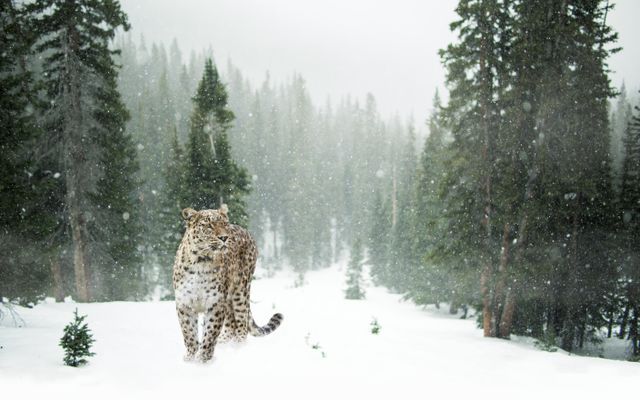
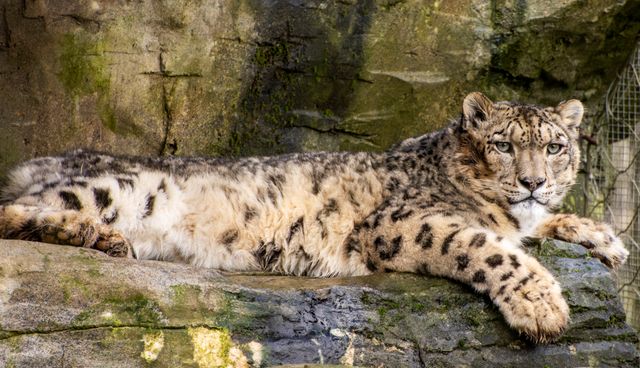
Snow leopards are known as the “Ghosts of the Mountains” because they are rarely seen in the wild. But today, these magnificent big cats face serious threats to their survival.
Introduction
Snow leopards are one of the most beautiful and mysterious animals in the world. They live in the high mountains of Central and South Asia, including parts of India, Nepal, Bhutan, and Mongolia. Their thick fur and powerful bodies help them survive in cold environments. However, despite being perfectly adapted to mountain life, snow leopards are becoming increasingly vulnerable.
Where Do Snow Leopards Live?
Snow leopards are found in rugged mountain ranges at elevations of up to 5,500 meters.
They prefer:
- Rocky cliffs
- Snow-covered mountains
- Remote valleys
Their natural habitat is one of the harshest environments on Earth.
Why Are Snow Leopards Endangered?
1. Habitat Loss
As human populations grow, roads, farms, and settlements expand into snow leopard habitats.
This reduces the space available for these animals to live and hunt.
2. Climate Change
Rising temperatures are changing mountain ecosystems.
As snow lines move higher, the habitat suitable for snow leopards becomes smaller.
3. Illegal Hunting
Some snow leopards are hunted for their beautiful fur and body parts.
Although illegal in many countries, poaching remains a serious threat.
4. Loss of Prey
Snow leopards depend on animals such as:
- Blue sheep
- Ibex
- Mountain goats
When these prey populations decline, snow leopards struggle to find food.
5. Human-Wildlife Conflict
Sometimes snow leopards attack livestock when wild prey is scarce.
This can lead to retaliation from farmers and herders.
Why Are Snow Leopards Important?
Snow leopards play a vital role in maintaining the balance of mountain ecosystems.
They help control herbivore populations and support biodiversity.
A healthy snow leopard population often indicates a healthy mountain environment.
Interesting Facts About Snow Leopards
- They can jump up to 15 meters in a single leap.
- Their tails help them maintain balance on steep cliffs.
- They cannot roar like lions.
- Their thick fur protects them from freezing temperatures.
Conservation Efforts

Many organizations and governments are working to protect snow leopards through:
- Wildlife reserves
- Anti-poaching programs
- Community education
- Habitat protection
These efforts are helping to improve their chances of survival.
Conclusion
Snow leopards face many challenges, including habitat loss, climate change, and illegal hunting. Protecting these incredible cats is essential for preserving mountain ecosystems and ensuring future generations can continue to admire them in the wild.