Quick Answer
Yes, elephants absolutely mourn their dead. Scientists have discovered that elephants show real emotions like grief and sadness when a family member dies, often standing guard over the body, touching the remains with their trunks, and even visiting old bones years later.
Introduction
Picture yourself walking through the African savanna when you suddenly come across a quiet circle of giants. They aren’t eating leaves, playing around, or splashing water in the mud. Instead, they are standing completely still around a fallen friend. Some gently reach out with their trunks, while others make low, rumbling sounds that literally shake the ground beneath your feet.
For a long time, scientists wondered: do elephants mourn their dead, or are they just curious about a large object on the ground? Today, wildlife researchers know for a fact that elephants have incredibly deep feelings.
If you are working on a school project about animal behavior or simply love learning about wildlife, you are about to discover one of the most beautiful and mysterious secrets of the animal kingdom. Let’s look at how elephant mourning actually works.
The Power of Elephant Families
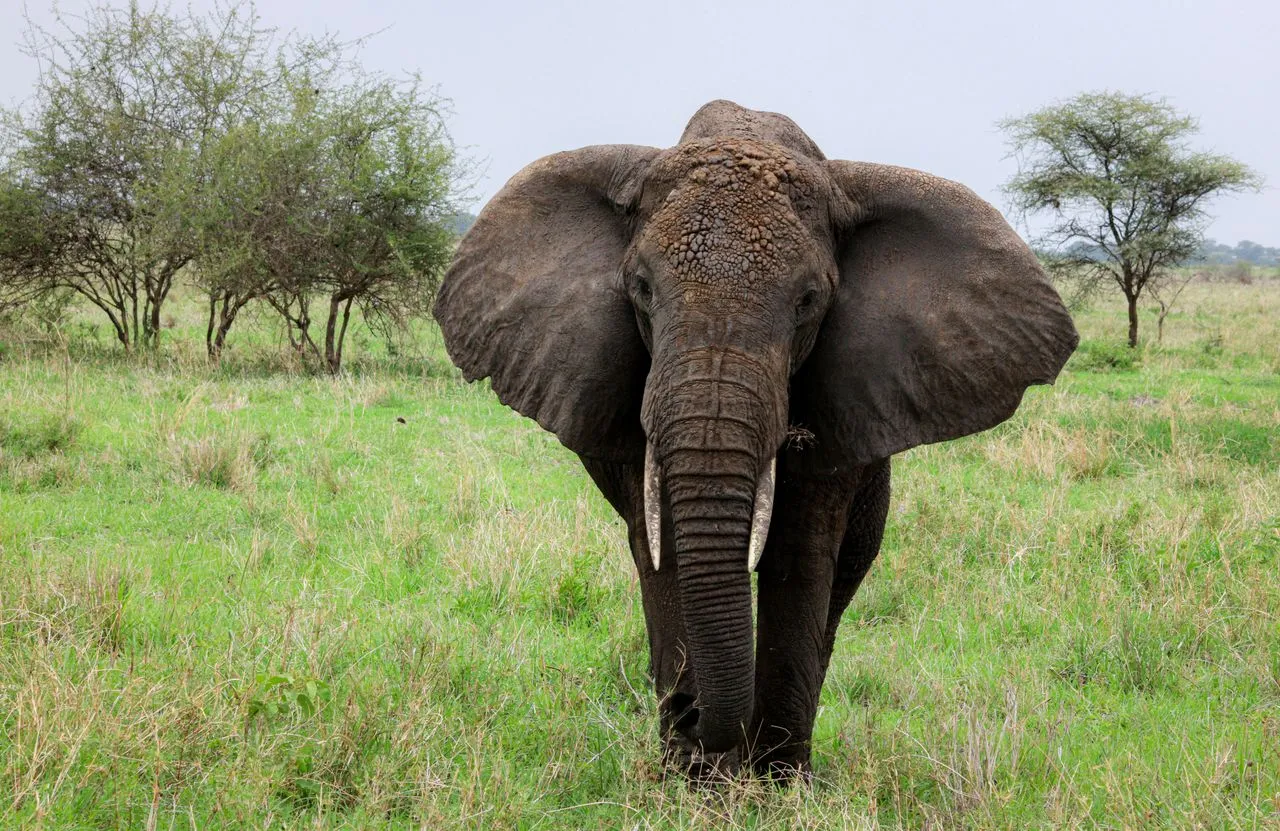
To get why elephants grieve, we first have to look at how their families work. Elephants live in tight-knit groups called herds, which are led by the matriarch—the oldest and wisest female elephant in the group.
These animals stay together for their entire lives. They protect each other from predators, help raise each other’s babies, and pass down memories of where to find food and water during droughts. Because they share such close bonds throughout life, it makes total sense that they feel a heavy sense of loss when a family member passes away.
What Does Elephant Mourning Look Like?
When an elephant dies, the rest of the herd behaves in ways that look remarkably like human grief. Scientists from organizations like Save the Elephants have watched herds do some truly incredible things.
1. Standing Vigil
When a herd member collapses, other elephants will try to nudge them up using their trunks and tusks. If the elephant doesn’t wake up, the herd will often stand “vigil”—meaning they stay completely still and quiet next to the body for hours or even days at a time. They will even chase away predators like lions or hyenas to protect their fallen friend.
2. The Silent Trunk Touch
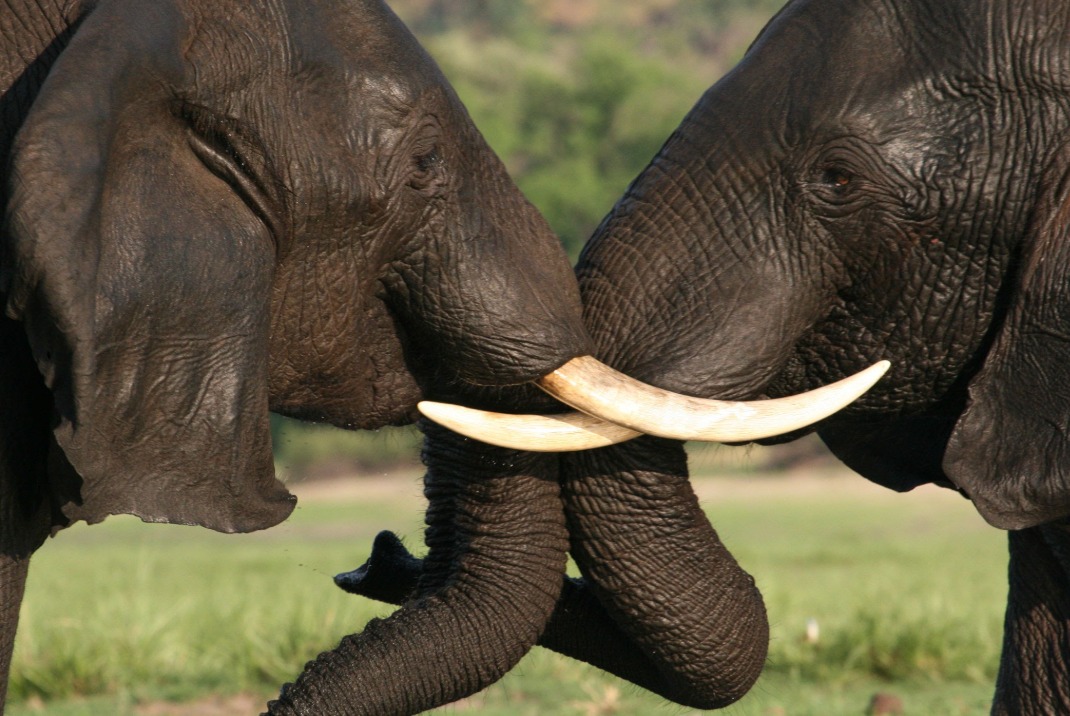
An elephant’s trunk has more than 40,000 muscles and is incredibly sensitive to touch. During a time of loss, family members will gently stroke the face, ears, and tusks of the dead elephant. It looks just like a final, quiet goodbye.
💡 Did You Know? Elephants can make a sound called infrasound. These are deep, low-frequency rumbles that are so low that human ears can’t hear them at all! However, these sounds can travel for miles through the ground to let neighboring herds know that they are grieving.
The Mystery of the Bones
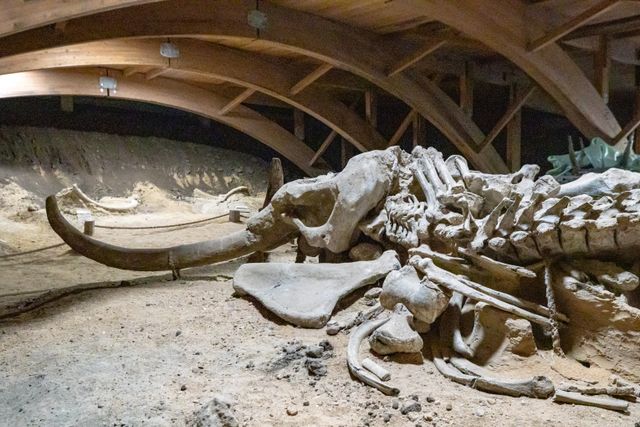
One of the most amazing things about elephant mourning is that they don’t just care about elephants that recently died. They also pay close attention to bones that have been sitting out under the sun for years.
If a herd walks past the skeleton of another elephant, they will stop. They will pick up the bones, turn them over with their trunks, and pass them around to each other. Scientists actually tested this by putting wood, human bones, and elephant bones on the ground side by side. The elephants walked right past the wood and human bones, but immediately stopped to inspect the elephant remains.
How Elephant Grief Compares to Humans
Elephants are part of a very small group of animals on Earth—along with humans, chimpanzees, and killer whales—that show clear, specific behaviors when a friend dies.
| Behavior | Humans | Elephants |
| Gathering together | Yes, at funerals | Yes, the whole herd stays close to the body |
| Silent respect | Yes, moments of silence | Yes, standing perfectly still and quiet |
| Visiting the past | Yes, visiting gravesites | Yes, returning to old bone locations |
| Crying | Yes, tears of sadness | Yes, their eyes secrete fluid when stressed |
Common Myths About Elephant Mourning
| Myth | Fact |
| “Elephants have secret Elephant Graveyards.” | Myth! Movies like The Lion King made this idea popular, but elephants don’t hike to a secret spot to die. Old elephants naturally stay near water and soft food because it’s easier on them, so many end up dying in the same areas. |
| “They only care if it’s their own mom or baby.” | Myth! Research shows that elephants will show respect and investigate the bones of completely stranger elephants, too. |
What Can We Do to Help?

Because elephants are so emotionally smart, losing a family member hurts the whole herd. Today, African and Asian elephants are endangered because of habitat loss (humans cutting down their forests) and illegal hunting. Here is how kids and students can help make a difference:
Spread the Word: Share your school projects and talk about what you learned. The more people who understand how smart and emotional elephants are, the more people will want to protect them.
Support Real Conservation: Look up groups like Save the Elephants or the World Wildlife Fund (WWF) to see how field trackers protect wild herds from poachers.
Be an Eco-Friendly Consumer: Remind adults to buy sustainably grown products that don’t destroy the rainforests where wild elephants live.
FAQs
Elephants do get wetness around their eyes when they are stressed or hurting, but scientists aren't 100% sure if it works exactly like human tears. Even so, their sad body language and low rumbles prove they are feeling down.
Elephants have legendary memories. Their brains are massive, and they can remember the specific scent and personal bonds of a family member for decades.
Yes, they do. Orphaned baby elephants often show signs of severe sadness, depression, and stress. Thankfully, in wildlife sanctuaries, other adult female elephants will often "adopt" them to help them feel safe and loved again.
While they show respect to all elephant bones, researchers have watched elephants pay extra attention and become visibly quiet or focused around the specific tusks and bones of their past family members.
It's possible, but only through sustained anti-poaching work and forest protection. Given how slowly they breed, any real recovery is going to be a long game, not a quick fix.
Conclusion
Because elephants are so emotionally smart, losing a family member hurts the whole herd. Today, African and Asian elephants are endangered because of habitat loss (humans cutting down their forests) and illegal hunting. Here is how kids and students can help make a difference:
Spread the Word: Share your school projects and talk about what you learned. The more people who understand how smart and emotional elephants are, the more people will want to protect them.
Support Real Conservation: Look up groups like Save the Elephants or the World Wildlife Fund (WWF) to see how field trackers protect wild herds from poachers.
Be an Eco-Friendly Consumer: Remind adults to buy sustainably grown products that don’t destroy the rainforests where wild elephants live.
*Want to learn more about amazing wild animals?
Check out our other student guides to find out [why are snow leopards endangered] or learn about marine life in our article explaining [why are sea turtles endangered].