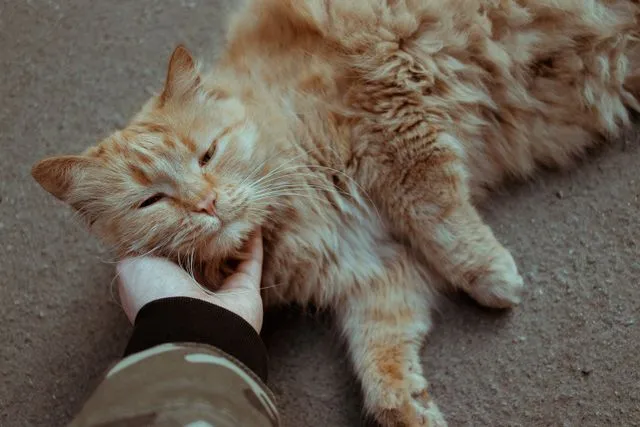
Cats purr mainly to express happiness, comfort, and safety when relaxing with their owners or mother. However, they also purr to soothe themselves when scared or in pain, using low-frequency sound vibrations to calm down and heal!
Imagine strapping a jackhammer to your face and slamming your nose into a solid wooden post twenty times every single second. It sounds like a fast track to a major headache, but for woodpeckers, it is just another normal day at work!
These hard-hat birds are famous for their rapid-fire drumming sounds that echo across the woods. While it might look like they are just causing trouble for tree bark, their pecking is actually a brilliant survival strategy.
In this guide, you’ll discover the secret science behind why woodpeckers hammer on wood and how their shock-absorbing brains stay protected. It is the perfect information to make your next school science report rock!
Imagine turning on a tiny motor inside your chest every single time your favorite human gives you a gentle head scratch. It sounds like a bizarre superhero power, but for domestic cats, it is a daily way of life!
These adorable furry companions are famous for their soothing motorboat sound. While most people assume a purring cat is just super happy, animal scientists have discovered that this strange rumble is actually a multi-purpose communication tool.
In this guide, you’ll discover the secret science behind why cats purr and how they use sound vibrations to heal their own bodies. It is the perfect information to make your next school science project purr-fectly amazing!
Pure Happiness and Feeling Safe
Underneath thick tree bark lives a hidden buffet of juicy beetle larvae, ants, and spiders. Woodpeckers have sharp hearing and can actually sense the tiny vibrations made by bugs crawling deep inside the wood!
Once a woodpecker pinpoints a bug spot, it uses its chisel-shaped beak to break through the bark. Then, it sticks a long, sticky tongue inside the narrow tunnels to drag out its meal.
Carving Out Cozy Tree Homes
Woodpeckers also use their powerful beaks as construction tools to build safe nesting cavities.
Instead of weaving twig nests on open branches like other birds, woodpeckers chip out large hollow rooms inside dead or soft trees. These wooden rooms protect their eggs and chicks from freezing rain, harsh winds, and hungry snakes.
Did You Know? 🌟
Scientists discovered that a cat’s purr vibrates at a frequency between 20 and 150 Hertz! This exact range of sound frequency is known to relieve pain, repair damaged muscles, and even help bones heal faster.
Using the Purr Engine for Self-Healing and Stress
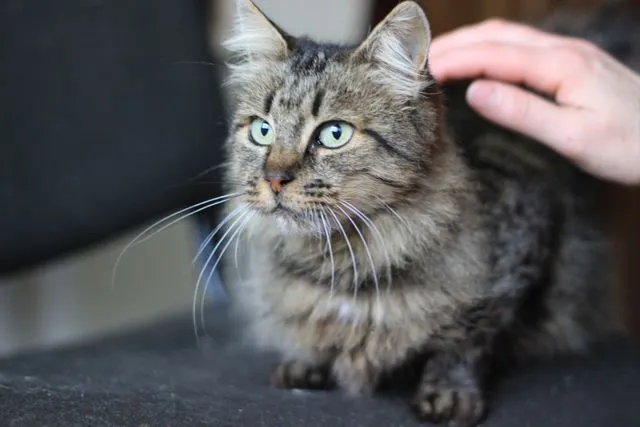
Here is where purring gets super interesting! Cats do not only rumble when they are feeling joyful; they also purr when they are nervous, sick, or visiting the veterinarian’s office.
When a cat feels frightened or hurt, it purrs as a clever form of self-soothing. The rhythmic sound acts like a natural painkiller, helping the cat stay calm during scary situations while releasing restorative vibrations throughout its body.
Domestic Cats vs. Big Cats: Who Can Purr?
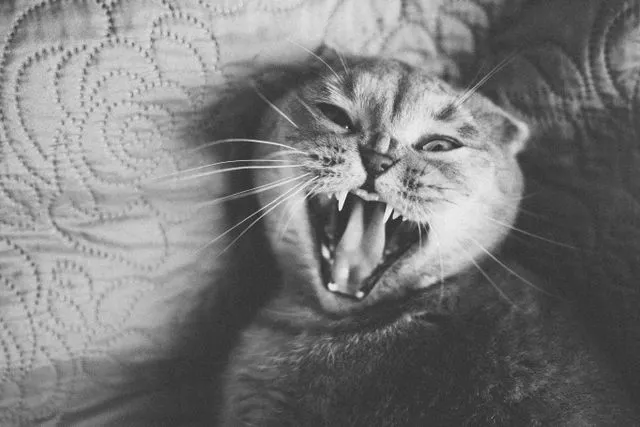
Did you know that not every member of the feline family can make the exact same sounds? Nature made a fascinating trade-off between purring and roaring.
| Cat Type | Voice Box Ability | Example Species |
| Purring Cats | Purr continuously while breathing in and out, but cannot roar | House cats, cougars, cheetahs, and bobcats |
| Roaring Cats | Roar loudly to defend territory, but cannot purr continuously | Lions, tigers, jaguars, and leopards |
Myth vs. Fact: Cat Purr Edition
| Myth | Real Fact |
| Cats only purr when they are happy. | Cats also purr to calm themselves down when scared, injured, or feeling sick. |
| A cat’s purr comes directly from its stomach. | Purring starts in the brain, sending signals to throat muscles around the voice box. |
| All wild big cats can purr just like house cats. | Lions and tigers have flexible throat bones that allow them to roar instead of purr! |
Quick Fun Facts 🐱
-
Kittens learn how to purr when they are just two days old!
-
House cats purr at the exact same sound frequency used in medical bone-healing therapies for humans.
-
Some clever cats add a high-pitched cry inside their purr that sounds like a human baby to trick owners into feeding them faster!
-
A purring cat vibrates its vocal cords about 20 to 30 times every single second.
Frequently Asked Questions
Your cat is likely purring to calm itself down because the vet's office feels strange and scary. The low vibrations help soothe nervous feelings and reduce stress during health checkups.
Purring starts when the cat's brain sends rhythmic signals to the muscles inside its voice box. As the cat breathes in and out, these muscles rapidly snap open and shut to vibrate the passing air.
Yes! Being near a purring cat can lower human blood pressure, reduce stress, and promote relaxation. The low-frequency vibrations may even help comfort human muscles and joints.
Kneading and purring are cozy habits left over from kittenhood! Baby kittens push their paws against their mother's belly while purring to encourage milk flow, so adult cats do it when feeling extra safe.
Conclusion
Cats purr for many surprising reasons, ranging from pure cuddle-time happiness to secret self-healing and stress relief. By paying attention to your pet’s body language and surroundings, you can figure out whether your furry friend is asking for treats or just enjoying a cozy nap.
To learn more about awesome animal secrets, check out our fun guides on the top 10 smartest animals in the world and why sea turtles are endangered.