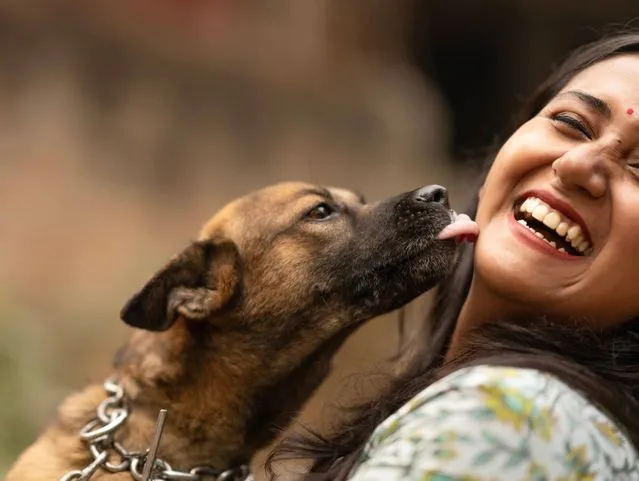
Dogs lick people for several reasons. They may be showing affection, looking for attention, exploring interesting smells and tastes, or using a natural social behavior they learned as puppies. Some dogs also lick when they feel nervous or want comfort.
If your dog gives you a few licks when you come home, it is usually normal behavior. However, licking does not always mean your dog is saying “I love you.” The reason depends on the situation, your dog’s body language, and whether the behavior is new or excessive.
| Fact | Details |
|---|---|
| Animal | Domestic dog |
| Scientific name | Canis lupus familiaris |
| Main reason for licking | Communication and exploration |
| Other reasons | Affection, attention, taste, grooming, comfort |
| Is licking normal? | Yes, in most situations |
| Can licking indicate stress? | Yes, sometimes |
| Should you allow face licking? | It’s a personal choice; avoid licking near the mouth, eyes, and open wounds |
1. Dogs May Lick You to Show Affection
One of the most familiar reasons dogs lick people is social bonding.
Dogs are social animals. They build relationships through body language, scent, physical contact, play, and other behaviors. Licking can be part of this interaction.
Your dog might lick your hand when you pet them, give you a few licks when you return home, or gently lick you while sitting beside you. These actions may be associated with comfort and familiarity.
But remember, licking alone cannot prove exactly what a dog feels. Look at the whole picture. A relaxed body, soft expression, loose tail movement, and willingness to stay close may suggest your dog is comfortable.
The simple truth: Licking can be a sign of affection, but it is only one part of how dogs communicate with people.
2. Your Dog May Want Your Attention
Have you noticed that your dog starts licking you when you are busy using your phone or working at your desk?
Your dog may have learned that licking gets a reaction.
You might laugh, speak to your dog, stroke their head, or look at them. From your dog’s point of view, the licking worked: it got your attention.
If this happens repeatedly, the behavior can become a habit. Even telling your dog to stop can sometimes provide the attention they were looking for.
If you want to reduce attention-seeking licking, calmly redirect your dog to a toy or reward them when they settle beside you without licking. Consistency matters more than punishment.
3. Your Skin Tastes and Smells Interesting
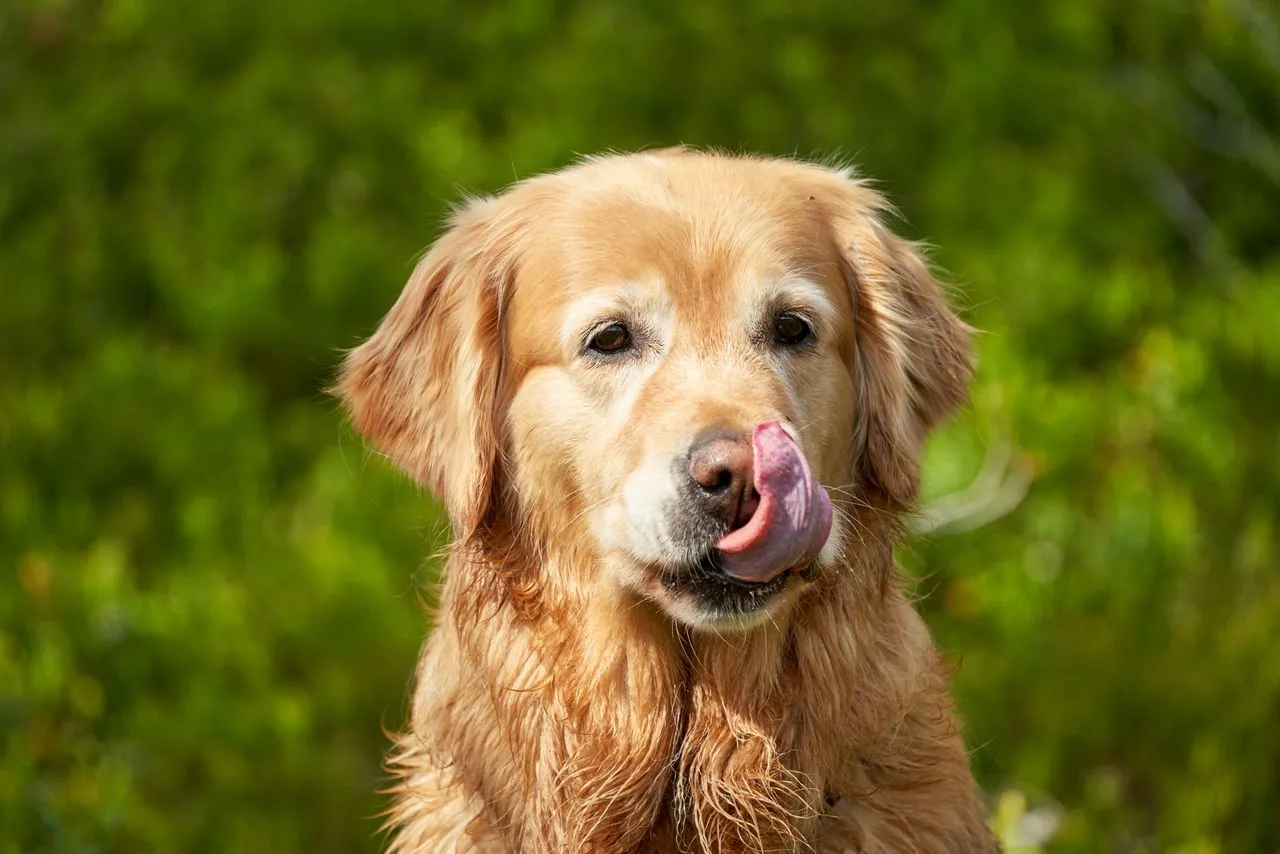
Dogs experience the world through their powerful sense of smell, and their mouths can help them investigate things they find interesting.
Human skin carries natural scents. Sweat can leave a salty taste, while food smells, lotions, and other substances may attract a curious dog.
This can explain why some dogs focus on hands, feet, or arms after a person has been exercising or preparing food.
Your hands are especially interesting because they touch so many things during the day. A dog may sniff and lick them to investigate unfamiliar smells.
However, don’t let your dog lick sunscreen, medicated creams, essential oils, or other skincare products. Some ingredients can be harmful if swallowed.
4. Licking Is a Behavior Dogs Learn Early in Life
Licking begins when dogs are very young.
Mother dogs lick their puppies to clean them and help stimulate normal bodily functions during their early development. Puppies also interact with their mother and littermates through physical contact and licking.
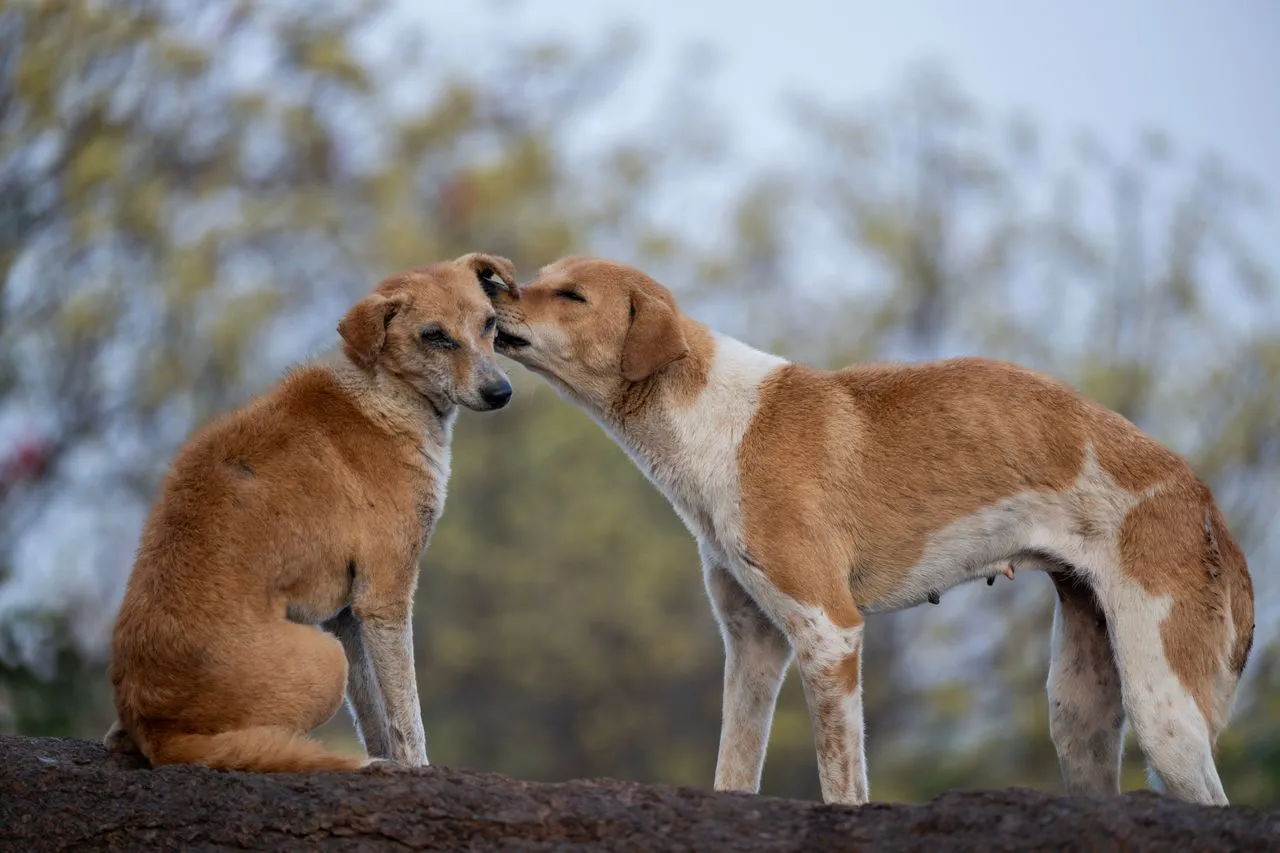
As they grow, dogs continue using licking in social situations. It may help maintain contact, communicate friendly intentions, or encourage interaction.
These early experiences are one reason licking remains a common behavior in adult dogs.
That doesn’t mean every lick has the same meaning. A lick during a relaxed cuddle may have a different purpose from repeated licking when a dog feels uncertain.
5. Dogs Sometimes Lick to Calm Themselves
Licking can sometimes be a self-soothing behavior.
A dog may lick you when they are uncertain, overstimulated, or looking for reassurance. Some dogs also lick their lips, turn their heads away, lower their bodies, or move away when they feel uncomfortable.
Pay attention to what happens around the licking. If your dog repeatedly licks you while their body looks tense, their ears are held back, or they keep trying to move away, give them space rather than assuming they want more cuddles.
Licking can also become repetitive in dogs experiencing anxiety or other behavioral difficulties. It is not possible to diagnose stress from licking alone, so consider the wider pattern.
6. Why Does My Dog Lick My Face?
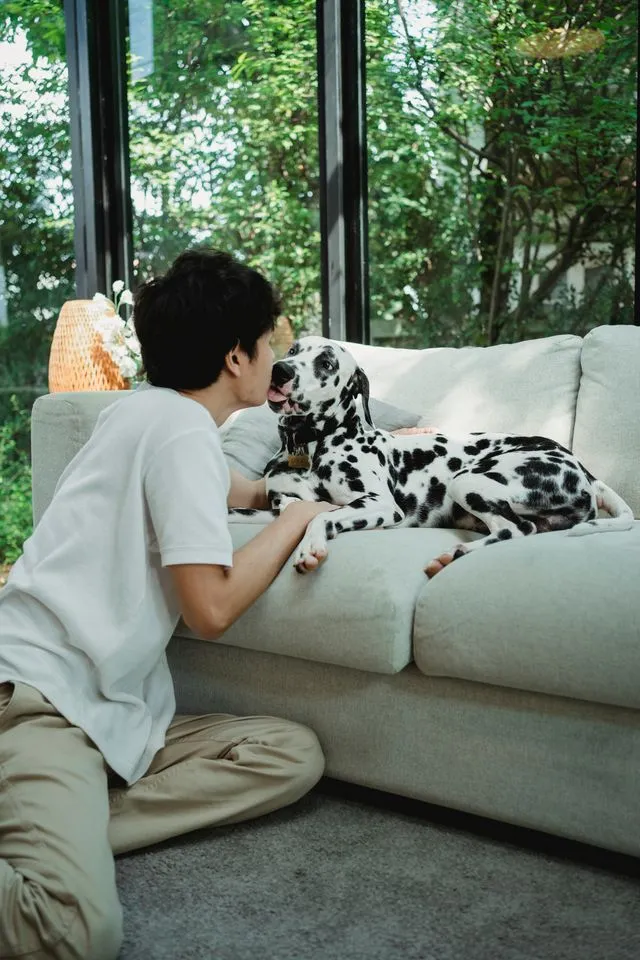
Face licking can be linked to social behavior, familiar scents, food smells, or attention.
Dogs may investigate your face because it carries interesting smells from your surroundings and meals. Some also learn that licking a person’s face brings an excited response.
Although people often call face licking a doggy kiss, dogs don’t necessarily understand it in the same way humans understand kissing.
If you enjoy interacting closely with your dog, remember that licking around your mouth and eyes can transfer germs. Avoid face licking if you are immunocompromised, and never allow licking near open cuts or wounds.
You can show affection through gentle petting, play, or simply spending time together instead.
7. Why Does My Dog Lick My Hands and Feet?
Hands and feet can be especially interesting because of their scents and tastes.
Hands may carry food smells or traces of objects you have touched. Feet can carry sweat and other distinctive scents, particularly after exercise or a long day in shoes.
Sometimes, licking these areas becomes a learned routine. If you react in a way your dog finds rewarding, they may repeat it.
Occasional licking is usually nothing to worry about. If you don’t like it, move your hands or feet away calmly and redirect your dog to another activity.
When Should You Worry About Dog Licking?
A few licks are generally normal. A sudden change or persistent, difficult-to-interrupt licking deserves more attention.
Look out for:
Licking that becomes unusually frequent or compulsive.
Repeated licking accompanied by whining, restlessness, or other signs of distress.
Licking that begins suddenly and continues without an obvious reason.
Excessive licking of the dog’s own skin, paws, or a particular body area.
Licking accompanied by vomiting, appetite changes, pain, or other unusual symptoms.
Persistent licking can sometimes be associated with anxiety, skin irritation, pain, allergies, or digestive problems. If the behavior is new, excessive, or accompanied by other symptoms, contact a veterinarian. A professional can help identify the cause rather than simply treating the licking as a bad habit.
Where Do Domestic Dogs Live?
Domestic dogs live alongside people around the world. They can be found in family homes, farms, rural communities, towns, and cities. Their living conditions vary widely depending on whether they are companion animals, working dogs, or free-roaming dogs.
Map placeholder: Add a world map showing the global distribution of domestic dogs.
CritterScore: Dog Communication Skills
🐾 Social Bonding: ⭐⭐⭐⭐⭐(5/5)
👃 Scent Exploration: ⭐⭐⭐⭐⭐(5/5)
🗣️ Communication Through Behavior: ⭐⭐⭐⭐(4/5)
🎯 Learning Habits Through Feedback: ⭐⭐⭐⭐⭐(5/5)
🧠 Reading Human Reactions: ⭐⭐⭐⭐(4/5)
Standout Ability: Using body language, scent, and learned behaviors to interact with humans.
These are informal educational ratings for this article, not scientific measurements or a standardized animal ranking.
Myth vs Fact
| Myth | Fact |
|---|---|
| Every lick means “I love you.” | Licking can express affection, but it may also be about taste, attention, exploration, or comfort. |
| Dogs lick people because they are hungry. | Hunger is not the only explanation; licking often has social or exploratory purposes. |
| A dog that licks you is always happy. | Some dogs lick when they feel uncertain or stressed, so body language matters. |
| Face licking is always safe. | Dog saliva can carry germs, so avoid licking near the mouth, eyes, and open wounds. |
| You must punish a dog that licks too much. | Calm redirection and rewarding alternative behavior are usually better starting points. |
Quick Dog Behavior Quiz
1. Why might a dog lick your hand after you return home?
A. Only because it is hungry
B. For social interaction, attention, or interesting smells
C. To clean its teeth
D. To show that it is angry
2. What can make a dog repeat attention-seeking licking?
A. Getting a reaction from the person
B. Sleeping alone
C. Drinking water
D. Walking outdoors
3. What should you do if your dog suddenly starts licking excessively?
A. Ignore every possible symptom
B. Punish the dog
C. Watch for other signs and consult a veterinarian if it persists
D. Encourage more licking
Answers: 1-B, 2-A, 3-C
Critter Challenge
Spend a few minutes observing your dog’s behavior during a normal interaction.
Notice when the licking starts. Does it happen when you arrive home, when you stop petting your dog, after exercise, or when your dog seems unsure?
Look at the dog’s body language, too. Is the body relaxed, or does the dog seem tense and eager to move away?
Your challenge: Try to identify the situation that triggers the licking without assuming every lick has the same meaning.
Remember to respect your dog’s signals. If they move away or seem uncomfortable, give them space.
FAQs About Why Dogs Lick People
Do dogs lick people because they love them?
Sometimes. Licking can be part of social bonding, but dogs also lick to explore scents, seek attention, or soothe themselves.
Why does my dog lick me so much?
Your dog may enjoy the taste of your skin, have learned that licking gets attention, or use it as a comforting behavior. If the licking becomes excessive or difficult to interrupt, speak with your veterinarian.
Why does my dog lick my face when I wake up?
Your dog may be greeting you, seeking interaction, or investigating familiar scents. Your reaction can also encourage the behavior to continue.
Should I let my dog lick my face?
It’s safer to avoid licking around your mouth, eyes, and any broken skin because saliva can transfer germs. You can build a strong bond through other forms of interaction.
How can I stop my dog from licking me?
Stay calm, avoid rewarding unwanted licking with attention, and redirect your dog to a toy or another activity. Reward the behavior you would prefer to see. If licking appears linked to anxiety or discomfort, seek professional advice.
Does licking mean my dog is stressed?
Not always. Licking can be normal social behavior, but repeated licking combined with tense body language or attempts to move away may indicate discomfort. Consider the full situation.
Conclusion
So, why do dogs lick people? There isn’t just one answer. Your dog might be greeting you, looking for attention, exploring the scent of your skin, or using a familiar behavior to feel comfortable. Sometimes, it may be a sign of affection; other times, it may mean something else.
Rather than treating every lick as a kiss, take a moment to observe your dog’s body language and the situation around it. Understanding those little signals can help you build a more comfortable relationship with your companion.
Keep exploring more animal behavior with CritterPages. 🐾
Sources
PetMD – Why Do Dogs Lick You?
American Kennel Club (AKC) – Why Does My Dog Lick Me?
Pupr – Why Do Dogs Lick Their Humans?
Blepworld – Why Do Dogs Lick You?