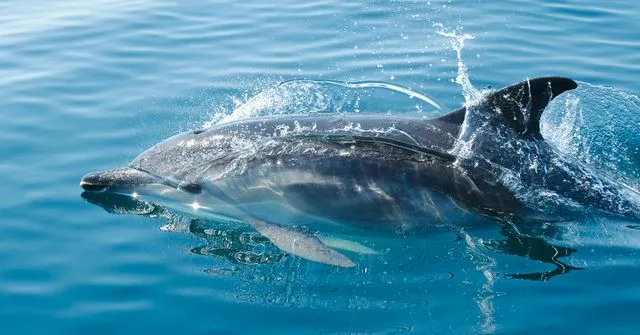
Dolphins sleep without drowning by resting only one half of their brain at a time, a process called unihemispheric sleep. The active half keeps the dolphin conscious enough to swim to the ocean surface for air, watch for dangerous predators, and stay safe!
Imagine going to sleep with one eye wide open while half of your brain stays awake to keep you swimming in the deep ocean. It sounds like a strange superhero power, but for dolphins, it is a daily way of life!
Dolphins spend their entire lives surrounded by ocean water, but unlike fish, they cannot breathe underwater using gills. These intelligent marine mammals are air-breathers just like us, which means they must swim up to the surface to breathe through their blowholes.
In this guide, you’ll discover the secret science behind how dolphins catch some sleep without drowning in the sea. It is the perfect information to make your next school science project shine!
Animal: Bottlenose dolphin
Home: Coastal waters and oceans worldwide
Food: Mainly fish, squid, and crustaceans
Group Name: Pod
Baby Name: Calf
Weight: Typically 150–650 kg (330–1,430 lbs) depending on species
Speed: Approximately 30–35 km/h (18–22 mph) in fast bursts
One Brain Half at a Time
Unlike humans, who go completely unconscious with both sides of the brain sleeping at once, dolphins use a system called unihemispheric slow-wave sleep. This means one half (hemisphere) of their brain goes to sleep while the other half stays awake!
The awake side of the brain acts like a built-in lifeguard. It reminds the dolphin to swim up to the surface for fresh air and keeps the body balanced in the rolling waves.
-
Half-Brain Rest: The left side of the brain rests while the right side stays awake, and later they switch roles.
-
Control Center: The active side keeps control over movement so the dolphin doesn’t drift away into dangerous deep waters.
-
Rest Duration: A dolphin typically rests each half of its brain for a few hours every day.
The One-Eye Open Trick
Because the left side of a dolphin’s brain controls the right eye (and vice versa), a resting dolphin usually keeps one eye closed and one eye open!
If the right side of the brain is taking a nap, the left eye closes. Meanwhile, the open eye keeps a close watch on the open ocean for potential threats like hungry sharks or passing boats.
Did You Know? 🌟
Dolphins are voluntary breathers! Humans breathe automatically even when sleeping, but dolphins must actively choose every single breath they take. If a dolphin went completely unconscious, it would stop breathing!
Resting Near the Surface or Logging
Dolphins don’t have cozy beds on the seafloor. Instead, they use a few different resting styles depending on their environment and pod members.
One common resting behavior is called logging. The dolphin floats quietly near the water’s surface, looking just like a floating tree log while taking slow, steady breaths.
-
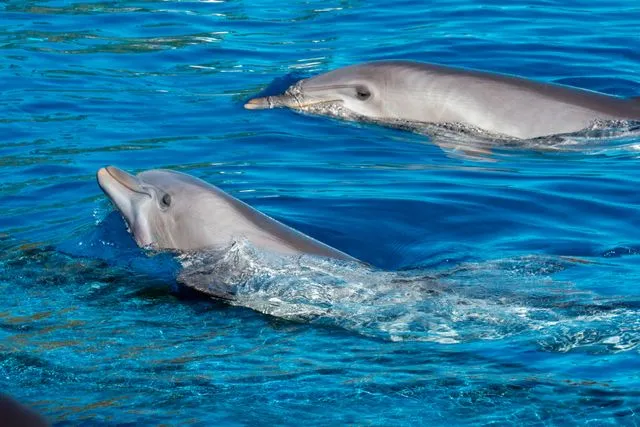
Surface Floating: Floating near the top lets them grab air through their blowholes with minimal effort.
-
Slow Swimming: Some dolphins continue to swim slowly alongside their pod members while resting.
-
Calf Escort: Mother dolphins keep swimming for weeks after giving birth, taking quick power naps while their swimming newborn calves ride in their wake!
Dolphin Sleep vs. Human Sleep
Dolphin Sleep:
Rests one brain hemisphere at a time while keeping one eye open to swim, breathe, and stay alert.
Human Sleep:
Rests both brain hemispheres at the same time, going fully unconscious with both eyes closed.
Myth vs. Fact
| Myth | Fact |
| ❌ Myth: Dolphins can sleep on the ocean floor like fish. | ✅ Fact: Dolphins are mammals that must stay near the surface to breathe air! |
| ❌ Myth: Dolphins go completely unconscious when they sleep. | ✅ Fact: One half of their brain stays awake to keep them moving and breathing. |
| ❌ Myth: Dolphins close both eyes when taking a nap. | ✅ Fact: They typically close only one eye while keeping the other eye open. |
Fun Facts
-
Bottlenose dolphins can hold their breath underwater for approximately 8 to 10 minutes at a time!
-
Scientists discovered that newborn dolphin calves and their mothers barely sleep at all during the baby’s first month of life.
-
A dolphin’s blowhole is sealed by strong muscles that require conscious effort to open for a breath.
-
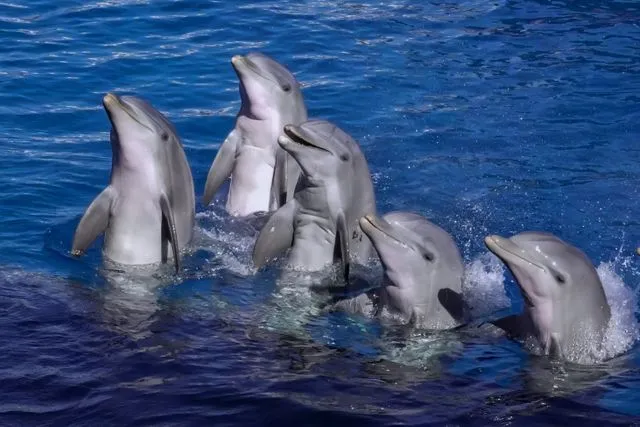
Group members in a dolphin pod often rest together, swimming in a synchronized formation like an underwater marching band!
Quick Quiz
Why do dolphins keep one half of their brain awake while sleeping?
-
A) To help them search for buried treasure
-
B) To swim to the surface for air and watch for danger ✅
-
C) To practice singing underwater songs
-
D) To count fish jumping over waves
Critter Challenge
Can you draw a diagram of a dolphin resting near the ocean surface?
Label its blowhole, its open eye, and the active half of its brain for your next school science report!
Frequently Asked Questions
Dolphins typically spend approximately 8 hours a day in a state of half-brain rest. Instead of sleeping all at once like humans, they break this rest up into short power naps throughout the day and night!
If a dolphin were to fall completely unconscious, it could drown because breathing is a conscious choice for them. Their unique half-brain sleep strategy prevents this from ever happening in the wild!
Scientists believe dolphins likely do not experience REM (rapid eye movement) sleep—the stage where humans have vivid dreams—because REM sleep requires both sides of the brain to relax completely.
Dolphins usually sleep near the ocean surface, either floating quietly like a log or swimming slowly alongside other members of their pod for safety.
CritterScore
⚡ Swimming Power: ⭐⭐⭐⭐⭐(5/5)
🧠 Brain Adaptability: ⭐⭐⭐⭐⭐(5/5)
👁️ Alertness: ⭐⭐⭐⭐⭐(5/5)
🛡️ Defense Power: ⭐⭐⭐⭐(4/5)
🏆 Winner Line: The ultimate ocean nap master that can sleep with one eye open and never forgets to breathe!
Conclusion
Dolphins sleep without drowning thanks to unihemispheric sleep, an amazing adaptation that lets one half of the brain rest while the other half keeps the animal swimming and breathing. This clever biological strategy keeps these friendly marine mammals safe and energized in the wide open sea.
To explore more amazing animal survival tricks, check out our fun guides on the Why Do Lions Live in Groups? The Pride Strategy Explained and Why Are Orangutans Endangered? The Threats They Face