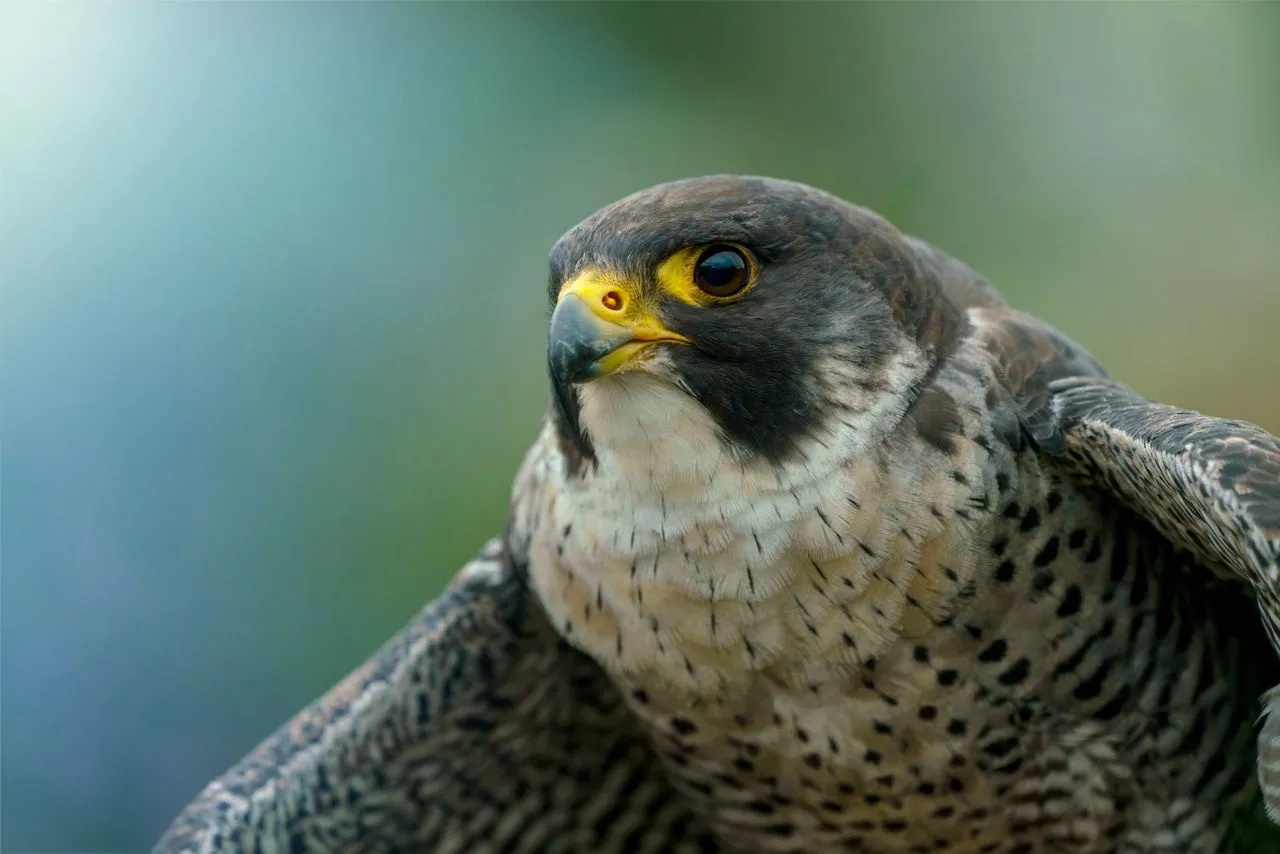
A peregrine falcon can reach more than 300 km/h (186 mph) during a high-speed hunting dive, known as a stoop. Its streamlined body, pointed wings, powerful muscles, and specialized respiratory adaptations help it handle the extreme demands of high-speed flight.
A peregrine falcon doesn’t simply fly toward its prey—it can climb high into the sky, fold its wings close to its body, and transform into a living projectile.
During a hunting dive called a stoop, a peregrine can reach speeds exceeding 300 km/h (186 mph). That makes it one of the most extraordinary speed specialists in the animal kingdom—and the fastest animal when measured by diving speed.
But reaching that speed is only part of the story. The real question is: how does a bird survive while moving that fast?
🦅 Animal: Peregrine Falcon (Falco peregrinus)
⚡ Peak Diving Speed: More than 300 km/h (186 mph)
🎯 Hunting Method: High-speed stoop
🌍 Range: Found on every continent except Antarctica
🍽️ Main Prey: Mostly birds
🪽 Special Ability: Extreme high-speed aerial hunting
1. The Stoop Turns a Falcon Into a Speed Machine
A peregrine’s fastest movement isn’t ordinary level flight.
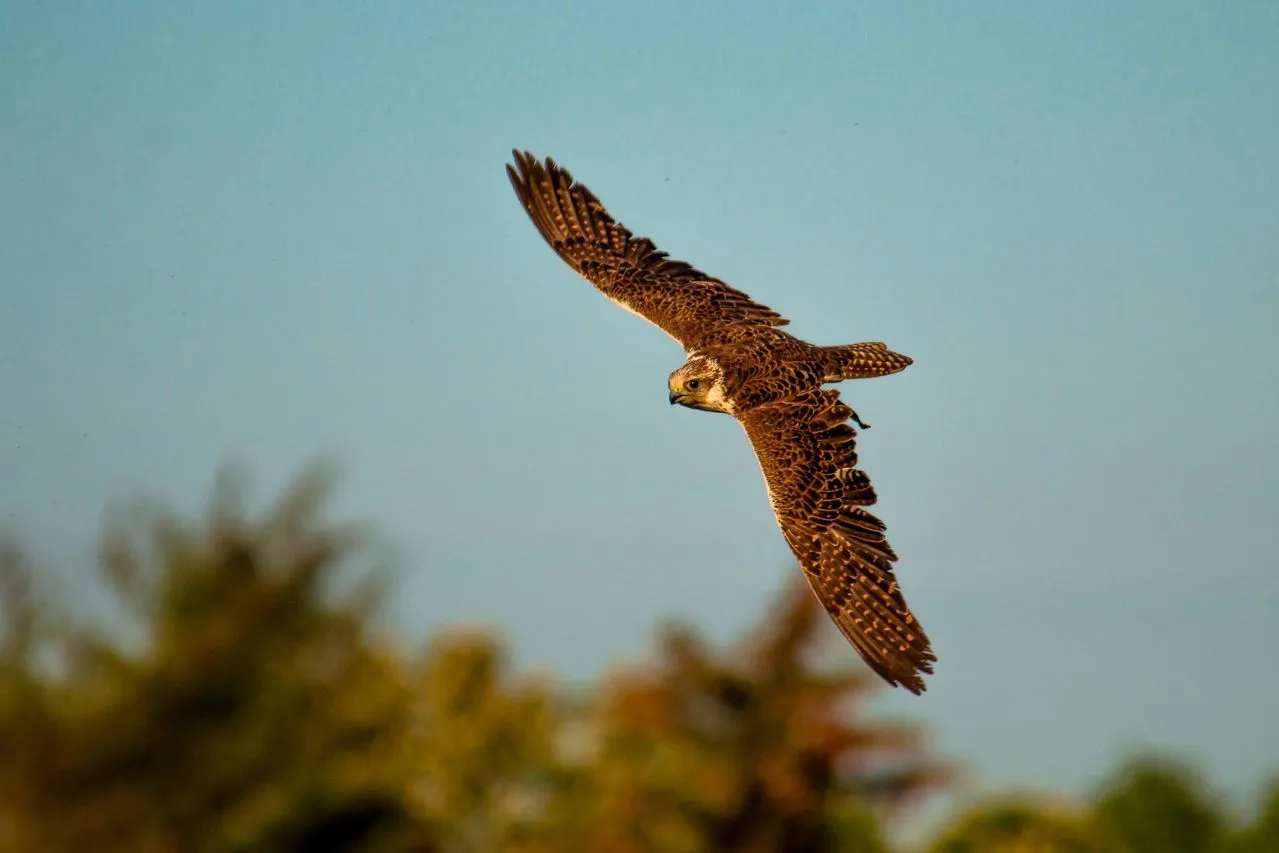
Instead, the falcon gains altitude and then begins a steep dive toward its prey. As gravity accelerates the bird, it pulls its wings closer to its body to reduce drag.
This hunting dive is called a stoop.
The falcon can then use its speed and maneuverability to intercept another bird in mid-air.
2. Why Is the Peregrine So Fast?
Several physical features help the peregrine perform high-speed dives.
Streamlined Body
A streamlined body reduces resistance as the falcon moves through the air.
Pointed Wings
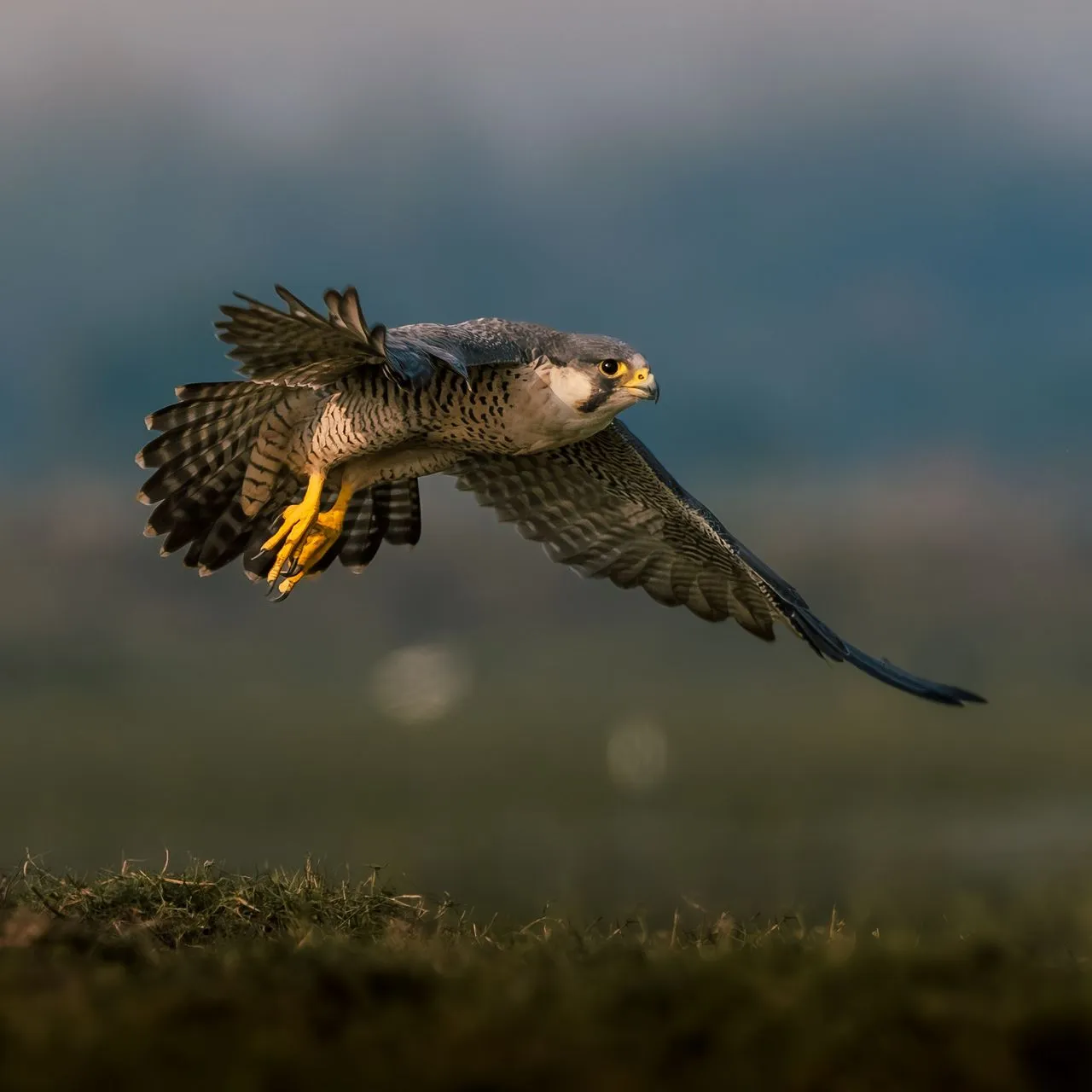
Its long, pointed wings are well suited for fast and maneuverable flight.
Powerful Muscles
Strong flight muscles allow the falcon to accelerate, maneuver, and control its body during demanding aerial pursuits.
Strong Skeleton
The bird’s lightweight but strong skeletal structure helps balance strength with the need to remain airborne.
3. How Does It Breathe at Extreme Speed?
Flying at extreme speeds creates enormous aerodynamic forces.
Peregrine falcons have specialized respiratory adaptations that help them breathe efficiently during flight.
Their respiratory system includes air sacs and a one-way flow of air through the lungs, a system characteristic of birds that supports efficient gas exchange.
The falcon also has specialized structures in its nostrils that help manage airflow during very fast dives.
4. How Does a Peregrine Avoid Losing Control?
Speed alone isn’t enough.
A peregrine must be able to control its body while diving.
During a stoop, the falcon adjusts its wings, tail, and body position to control its trajectory. It can make rapid changes in direction while approaching prey.
That combination of speed and precision is what makes the peregrine such an effective aerial predator.
Visual Speed Breakdown
| Feature | 🦅 Peregrine Adaptation |
|---|---|
| ⚡ Speed | 300+ km/h in extreme dives |
| 🪽 Wings | Pointed and aerodynamic |
| 🧍 Body | Streamlined shape |
| 💪 Muscles | Powerful flight muscles |
| 🫁 Breathing | Highly efficient avian respiratory system |
| 🎯 Hunting | High-speed aerial interception |
Myth vs. Fact
| ❌ Myth | ✅ Fact |
|---|---|
| The peregrine flies at 300 km/h all the time. | Extreme speeds occur during specialized hunting dives. |
| Peregrines are the fastest birds in every type of flight. | Their famous speed record refers to diving, not ordinary level flight. |
| The falcon simply falls straight down. | It actively controls its body and trajectory during the dive. |
| Speed is the only reason peregrines are successful hunters. | Their success also depends on vision, maneuverability, timing, and hunting strategy. |
Quick Fun Facts
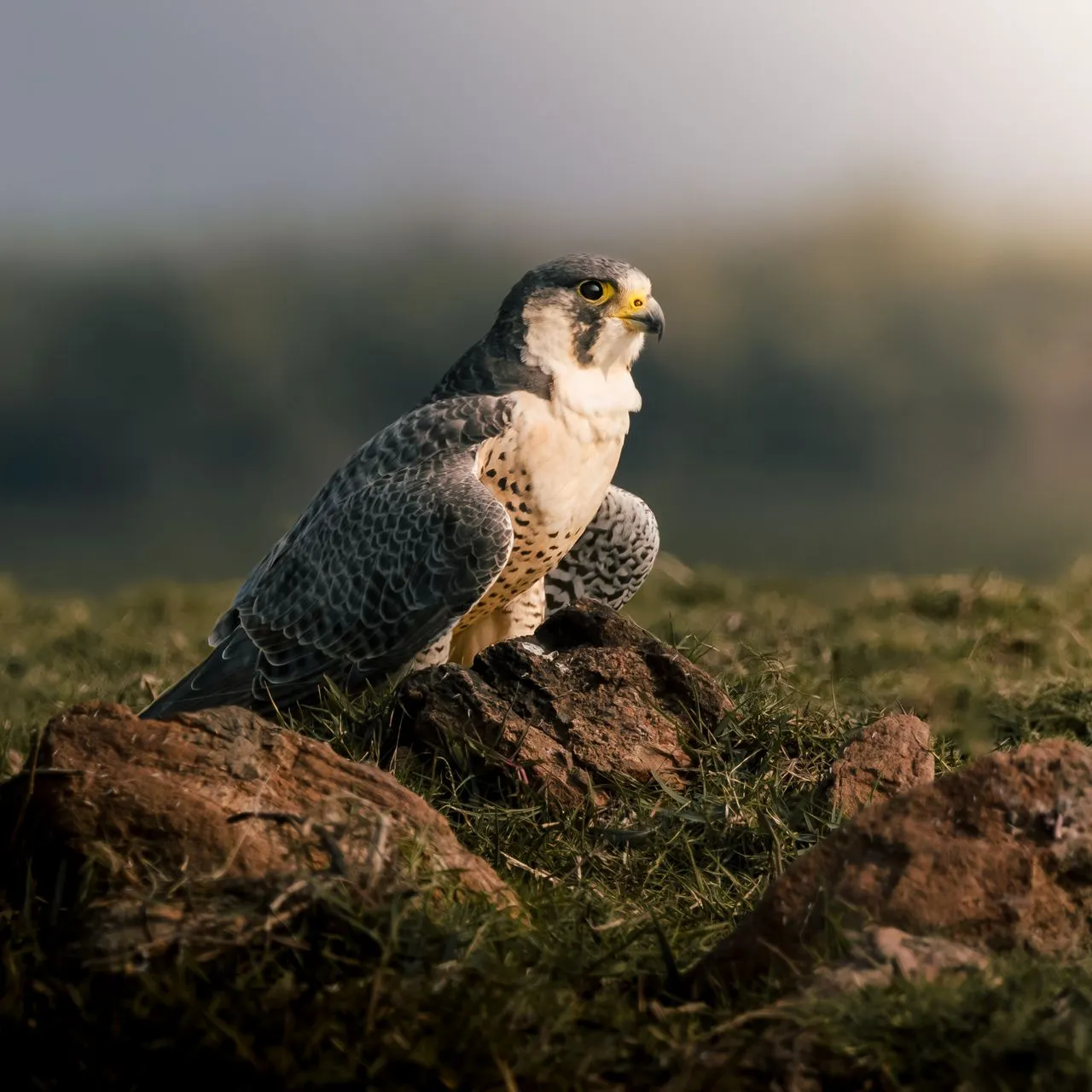
🦅 Peregrine falcons occur on every continent except Antarctica.
⚡ Their famous speed comes from a hunting dive called a stoop.
👁️ Their excellent vision helps them detect and track prey.
🪽 They combine speed with remarkable aerial maneuverability.
🐦 Birds make up much of their natural prey.
🌍 Peregrines are among the most widely distributed birds of prey in the world.
Quick Quiz
When does a peregrine falcon reach its greatest speeds?
A) While walking
B) During normal gliding
C) During a hunting dive
D) While sitting on a cliff
✅ Correct Answer: C) During a hunting dive
Critter Challenge
Watch a slow-motion video of a peregrine falcon flying.
Look carefully at how it changes its wing position and body shape.
Can you identify the moment when the bird begins transitioning from normal flight into a high-speed dive?
Frequently Asked Questions
How fast can a peregrine falcon dive?
A peregrine falcon can exceed 300 km/h (186 mph) during an extreme hunting dive.
Is the peregrine falcon the fastest animal?
It is generally recognized as the fastest animal when measured by diving speed. That distinction is important because different animals hold speed records under different conditions.
Why do peregrine falcons dive?
They use high-speed dives primarily to capture other birds. The stoop allows them to intercept prey from above.
Can peregrines fly at 300 km/h normally?
No. Their extreme speeds are associated with steep hunting dives rather than ordinary horizontal flight.
CritterScore
⚡ Speed: ⭐⭐⭐⭐⭐(5/5)
🪽 Aerodynamics: ⭐⭐⭐⭐⭐(5/5)
🎯 Precision: ⭐⭐⭐⭐⭐(5/5)
🦅 Hunting Ability: ⭐⭐⭐⭐⭐(5/5)
🏆 Winner Line: The peregrine falcon doesn’t need the fastest wings in the sky—it uses gravity, aerodynamics, and precision to become the animal kingdom’s ultimate speed specialist.
Conclusion
The peregrine falcon’s incredible speed is the result of several adaptations working together. Its streamlined body, specialized wings, powerful muscles, efficient respiratory system, and exceptional aerial control allow it to perform one of nature’s most spectacular hunting maneuvers.
Its 300+ km/h stoop isn’t just a speed record—it is a highly specialized survival strategy.
Want to explore more animal abilities? Read How Strong Is a Gorilla? and Top 10 Animals With the Best Hearing in the World.
Sources & References
Britannica – Peregrine Falcon
Cornell Lab of Ornithology – Peregrine Falcon
Smithsonian’s National Zoo and Conservation Biology Institute – Peregrine Falcon
Encyclopaedia Britannica – Peregrine Falcon
Peer-reviewed research on peregrine falcon flight biomechanics