Animals use hearing for much more than communication. Some can detect extremely low-frequency sounds, while others can pinpoint tiny noises made by hidden prey. Here are 10 animals known for remarkable hearing abilities and specialized sound detection.
Imagine hearing something that is happening several kilometers away—or detecting an animal moving under snow without even seeing it.
For many animals, hearing isn’t simply one of the five senses. It can be a survival tool, hunting weapon, communication system, and early-warning detector.
From enormous elephants to tiny insects, the animal kingdom has evolved some extraordinary ways to detect sound.
Category: Animal Hearing
Examples: Mammals, birds, and insects
Main Uses: Hunting, communication, navigation, and danger detection
Key Adaptation: Specialized ears and sound-processing systems
Specialist: Different animals excel at detecting different frequencies
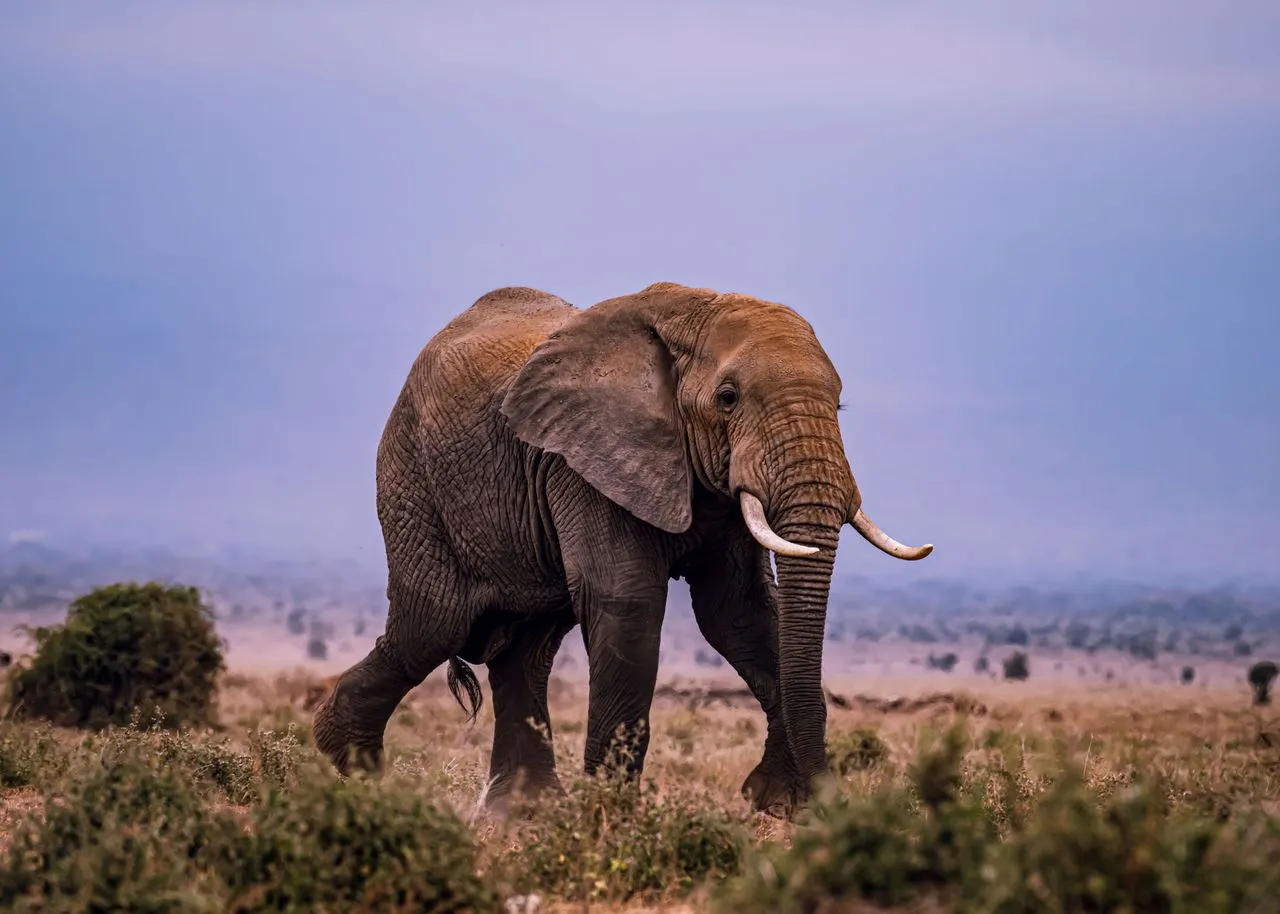
1. Elephants
Elephants are famous for their ability to communicate using very low-frequency sounds called infrasound.
These sounds can travel long distances, allowing elephants to communicate even when members of a herd are far apart.
Their large ears also help them detect sounds and release heat from their bodies.
Did You Know?
Elephants can detect some sounds at frequencies below the range of normal human hearing.
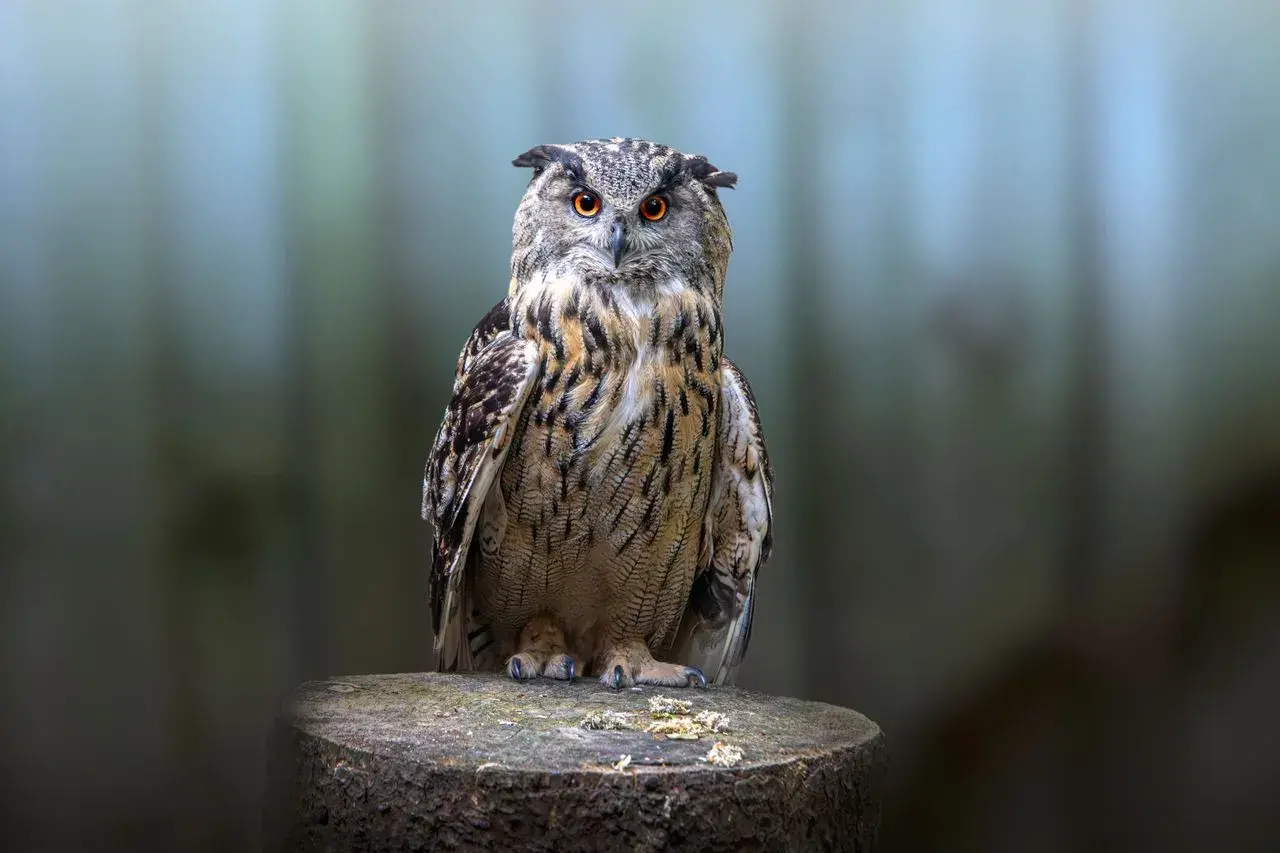
2. Owls
Owls have exceptional hearing that helps them locate prey in darkness.
Many owl species have specialized ear openings and a facial disc that helps collect and direct sound.
Some can detect tiny movements made by prey hidden beneath vegetation or snow
3. Bats
Bats are masters of sound.
Many bats use echolocation, producing high-frequency sounds and listening for echoes bouncing back from objects.
This allows them to detect obstacles and locate insects while flying in darkness.
4. Dolphins

Dolphins use sound extensively underwater.
They can produce clicks and interpret returning echoes to understand the location and characteristics of objects around them.
This ability is another example of echolocation.
5. Whales
Some whales communicate using powerful low-frequency sounds that can travel enormous distances through the ocean.
Their underwater environment makes sound especially important because visibility can be limited.
Different whale species use different sounds for communication.
6. Dogs
Dogs can hear frequencies that humans cannot.
Their ability to detect higher-frequency sounds helps them notice noises that may be completely inaudible to us.
That’s one reason dogs may react to sounds before their owners notice anything.
7. Cats
Cats have highly sensitive hearing and can detect high-frequency sounds.
Their hearing helps them locate small prey such as rodents.
Their movable ears can also help them determine where a sound originates.
8. Foxes

Foxes have excellent hearing and can detect small animals moving beneath grass, leaves, or even snow.
This ability helps them hunt prey that they cannot immediately see.
9. Rats
Rats have sensitive hearing and can detect high-frequency sounds.
Their hearing is particularly useful in environments where visibility is poor and communication between individuals is important.
10. Grasshoppers
Not all animals with impressive hearing are mammals.
Some grasshoppers have specialized hearing organs that allow them to detect sounds, including sounds produced by predators and other insects.
This shows that sophisticated sound detection has evolved in very different groups of animals.
Visual Breakdown
| Animal | Special Hearing Ability |
|---|---|
| 🐘 Elephant | Detects very low-frequency sounds |
| 🦉 Owl | Precisely locates prey by sound |
| 🦇 Bat | Uses echolocation |
| 🐬 Dolphin | Underwater echolocation |
| 🐋 Whale | Long-distance underwater communication |
| 🐕 Dog | Excellent high-frequency hearing |
| 🐈 Cat | Sensitive high-frequency hearing |
| 🦊 Fox | Detects hidden prey |
| 🐀 Rat | Sensitive high-frequency hearing |
| 🦗 Grasshopper | Specialized hearing organs |
Myth vs. Fact
| Myth | Fact |
|---|---|
| Every animal with good hearing can hear every frequency. | Different species specialize in different sound frequencies. |
| Bats are the only animals that use echolocation. | Dolphins and some other animals also use echolocation. |
| Bigger ears always mean better hearing. | Ear size alone does not determine hearing ability. |
| Humans have the best hearing because we can hear many sounds. | Many animals can detect frequencies humans cannot hear. |
Quick Fun Facts
🐘 Elephants can communicate using very low-frequency sounds.
🦇 Many bats use sound to navigate and hunt.
🦉 Owls can locate prey using sound.
🐬 Dolphins use echolocation underwater.
🦊 Foxes can detect hidden prey.
🐈 Cats can hear higher frequencies than humans.
🦗 Some insects have surprisingly sophisticated hearing systems.
Quick Quiz
Which animal is famous for using echolocation to hunt flying insects?
A) Elephant
B) Bat
C) Fox
D) Giraffe
✅ Correct Answer: B) Bat
Critter Challenge
Pick any two animals from this list and compare them.
Ask yourself:
Which animal’s hearing would be more useful at night, and which would be more useful across long distances?
There isn’t necessarily one universal winner—the best hearing system depends on what the animal needs to survive.
Frequently Asked Questions
Which animal has the best hearing?
There is no single scientifically accepted “best hearing animal.” Different animals are specialized for different frequencies and purposes.
Can elephants hear sounds humans cannot?
Yes. Elephants can detect very low-frequency sounds, including infrasound that humans generally cannot hear.
Why do bats have such good hearing?
Many bats rely on echolocation, so their hearing is highly adapted to detecting and interpreting returning high-frequency sounds.
Can animals hear better than humans?
Yes. Many animals can detect frequencies outside the human hearing range, giving them access to sounds we cannot hear.
CritterScore
👂 Hearing Sensitivity: ⭐⭐⭐⭐⭐(5/5)
🎯 Sound Detection: ⭐⭐⭐⭐⭐(5/5)
🧠 Sound Processing: ⭐⭐⭐⭐⭐(5/5)
🌍 Survival Advantage: ⭐⭐⭐⭐⭐(5/5)
🏆 Winner Line: There isn’t one winner—nature has created different hearing specialists for different survival challenges.
Conclusion
From elephants communicating with low-frequency sounds to bats navigating through darkness using echoes, animals have evolved hearing systems that perfectly match their environments.
The fascinating part isn’t simply who can hear the best-it’s how each species has turned sound into a survival advantage.
Want to explore more unusual animal abilities? Read Why Are Pangolins Endangered? and Why Do Elephants Have Such Big Ears?
Sources & References
- Smithsonian’s National Zoo and Conservation Biology Institute
- National Geographic
- NOAA Fisheries
- Animal Diversity Web
- Cornell Lab of Ornithology