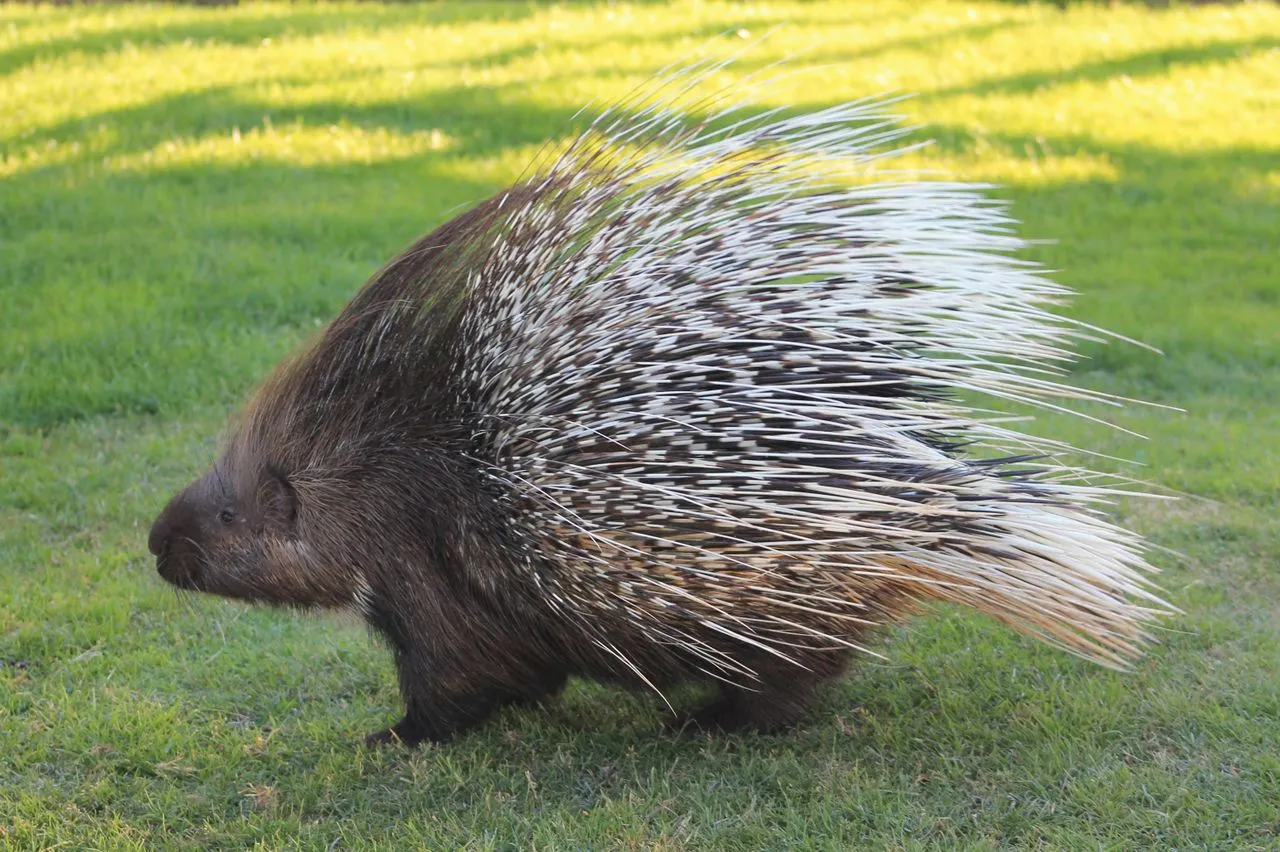
Porcupines defend themselves mainly with their sharp quills, which are specialized hairs that can stand up when the animal feels threatened. A porcupine does not shoot its quills like darts. Instead, loose quills can detach when a predator touches or attacks the animal.
The real trick is in the quills themselves. In North American porcupines, the tips contain tiny backward-facing barbs that help the quills enter tissue and make them difficult to pull back out.
How Do Porcupines Defend Themselves?
At first glance, a porcupine may not look like an animal you’d want to mess with.
It moves slowly, has a chunky body, and doesn’t have the speed of a cheetah or the powerful jaws of a crocodile. But porcupines don’t need to outrun most predators.
They have something much more useful for a slow-moving animal: a body covered with thousands of defensive quills.
There are more than two dozen porcupine species, and their exact appearance and defenses vary. North and South American porcupines belong to one family, while African, European, and Asian porcupines belong to another.
For a predator, getting too close can turn a simple attack into a painful lesson.
What Are Porcupine Quills Made Of?
Porcupine quills are actually specialized hairs.
Like ordinary hair and human fingernails, they are made largely of keratin. They are also hollow and relatively lightweight, which allows porcupines to carry thousands of them without having an extremely heavy coat.
A North American porcupine can have around 30,000 quills across its back and tail. Some species have particularly long spines; National Geographic notes that the quills of Africa’s crested porcupine can approach a foot in length.
The quills normally lie relatively flat. When the animal becomes frightened, muscles associated with the skin can make them stand up, creating a much more intimidating appearance.
It’s a simple warning:
“Getting closer is a bad idea.”
Can Porcupines Shoot Their Quills?
No.
This is probably the most famous porcupine myth.
Porcupines cannot shoot, throw, or fire their quills across a distance. The quills detach when they come into contact with a predator or when the porcupine shakes and moves its body during a defensive encounter.
The myth probably comes from the way the quills can come loose so easily.
A predator might rush toward a porcupine, make contact, and suddenly end up with a face full of quills. From a distance, that can certainly look like the porcupine launched them.
But there is no projectile attack involved.
Why Are Porcupine Quills So Difficult to Remove?
This is where porcupine defense gets really interesting.
The tips of North American porcupine quills contain tiny backward-facing barbs.
Scientists have found that these barbs perform two useful jobs at once. They help the quill penetrate tissue relatively easily, and they make the quill much harder to pull out afterward.
In laboratory experiments, researchers found that the barbed structure could reduce the force needed for penetration while increasing resistance during removal.
In simple terms, the quill is designed to work like a tiny biological hook.
Once embedded, the backward-facing barbs catch onto tissue.
That’s a remarkably effective defense for an animal that isn’t built for running away.
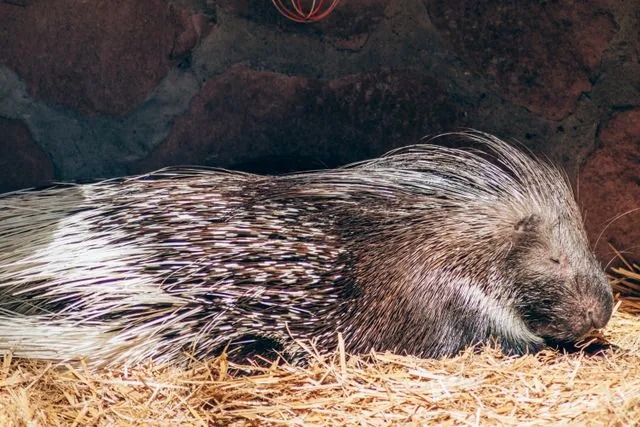
How Does a Porcupine Actually React to a Predator?
A porcupine doesn’t necessarily start by attacking.
When threatened, it may first try to move away or climb, depending on the species and its surroundings. North American porcupines are capable climbers and spend considerable time in trees.
If the predator keeps coming, the porcupine can raise its quills and turn its less-protected front side away from the threat.
Its back and tail become the dangerous parts.
Some porcupines also shake or rattle their quills, creating a warning display. The message is clear without needing a fight: stay back.
This is an important part of the strategy. The best defense is often not actually getting bitten or grabbed in the first place.
Where Do Porcupines Live?
Porcupines live in several parts of the world.
North and South America:
New World porcupines can be found in forests and other habitats, with some species spending much of their time in trees.
Africa, Europe and Asia:
Old World porcupines are generally more ground-dwelling and can occupy forests, grasslands, and even desert environments.
Can Predators Actually Kill Porcupines?
Yes. Porcupines are not invincible.
Some predators have learned ways to attack them while reducing the risk of getting badly quilled.
For example, National Geographic has documented encounters between African porcupines and lions. In some situations, porcupines can actively turn their quill-covered rear toward a predator and even move backward toward the attacker.
Other predators have also learned that approaching from the wrong direction can be a painful mistake.
So the quills don’t make porcupines impossible to hunt. They simply make them a very risky meal.
The Science Behind the Quill
One of the coolest things about porcupine quills is that scientists have studied them not just as an animal defense, but as an example of clever natural engineering.
A 2012 study examined the microscopic structure of North American porcupine quills. Researchers found that the barbs help the quill penetrate tissue while also increasing adhesion during removal.
This has even inspired research into possible medical and engineering applications.
Nature has effectively created a tiny structure that can go in relatively easily but resist coming back out.
That’s pretty impressive for something that started as a defensive hair.
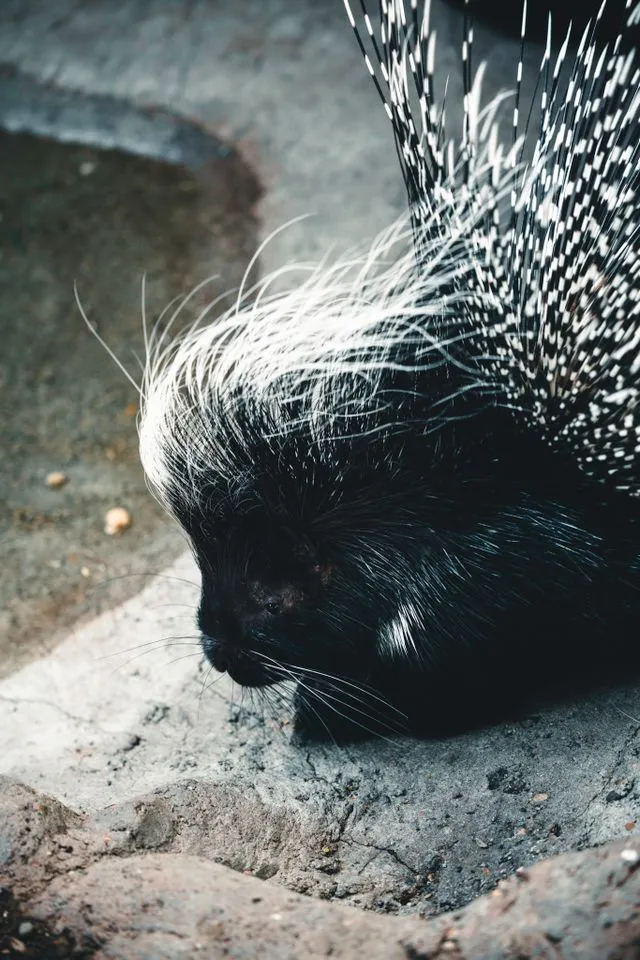
CritterScore
Quill Defense: ⭐⭐⭐⭐⭐(5/5)
Physical Protection: ⭐⭐⭐⭐⭐(5/5)
Warning Display: ⭐⭐⭐⭐(4/5)
Escape & Climbing: ⭐⭐⭐⭐(4/5)
Running Speed: ⭐⭐(2/5)
🏆 Standout Ability: Barbed Quills That Make Predators Think Twice
Myth vs Fact
Myth: Porcupines shoot their quills.
Fact: They cannot shoot them. Quills detach when contact is made and can become embedded in an attacker.
Myth: Every porcupine has exactly the same type of quill.
Fact: Quill structure varies between species. For example, North American porcupine quills have microscopic barbs, while African porcupines have different spine structures.
Myth: Porcupines are completely defenseless without their quills.
Fact: Their defensive behavior also includes warning displays, retreating, climbing in some species, and positioning their quill-covered body toward a threat.
Quick Quiz
1. Can porcupines shoot their quills?
A) Yes
B) No
2. What are porcupine quills mainly made of?
A) Bone
B) Keratin
C) Calcium
D) Shell
3. What makes North American porcupine quills difficult to remove?
A) Poison
B) Sticky skin
C) Tiny backward-facing barbs
D) Electricity
Answers:
- B
- B
- C
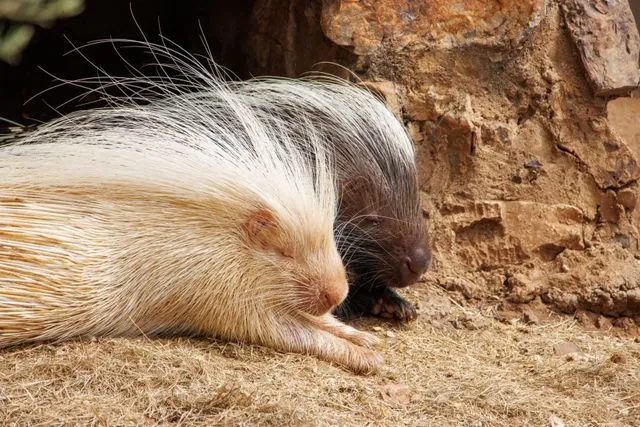
Critter Challenge
Next time you see a porcupine in a wildlife documentary, don’t just count the quills.
Watch its body position.
Does it turn its back toward the threat? Does it raise its quills? Does it move away first?
These small behaviors show that animal defense isn’t always about attacking. Sometimes the smartest strategy is simply making the predator decide that dinner isn’t worth the trouble.
Frequently Asked Questions
How many quills does a porcupine have?
A North American porcupine may have around 30,000 quills. The exact number varies between individuals and species.
Do porcupines lose their quills?
Yes. Quills can become detached during encounters with predators, and porcupines grow replacement quills.
Are porcupine quills poisonous?
The main danger comes from their physical structure rather than venom. The barbed tips can penetrate tissue and make removal difficult.
Can porcupines climb trees?
Yes. Several New World porcupines are good climbers, and the North American porcupine commonly spends time in trees.
What should you do if a pet gets porcupine quills?
Quills can penetrate deeply and become harder to remove, so veterinary care is the safest option rather than trying to pull numerous quills out at home.
Final Thoughts
Porcupines don’t need to be fast or aggressive to survive.
Their defense is based on making a predator think twice before getting close. Thousands of specialized quills, a convincing warning display, and tiny microscopic barbs turn a seemingly slow and harmless rodent into a surprisingly difficult target.
And the biggest lesson from the porcupine is simple: sometimes the best defense is the one that makes a fight unnecessary.
If you enjoyed learning about this unusual defense system, you can also explore How Far Can an Eagle See? The Amazing Vision of Birds of Prey and What Animal Has the Best Sense of Smell? here on CritterPages.
Keep exploring more animal abilities with CritterPages. 🐾
Sources
National Geographic – Porcupines
Arctic Focus – A prickly personality: Porcupine quills are a wonder of defensive evolution
U.S. National Park Service – Acadia Porcupines
Cho et al., PNAS – Microstructured barbs on the North American porcupine quill enable easy tissue penetration and difficult removal