Yes, snakes can smell with their noses—but their forked tongues and Jacobson’s organs play a major role in detecting and analyzing chemical clues.
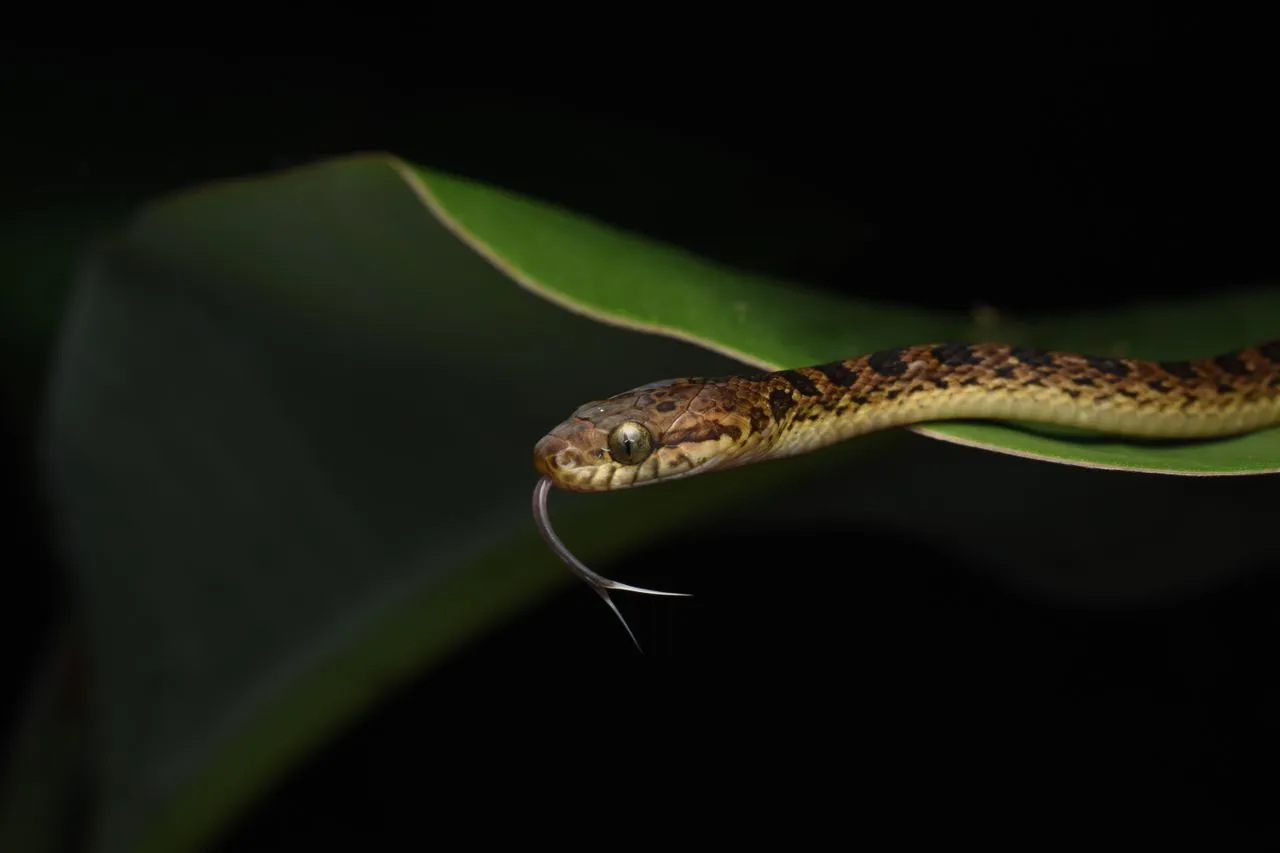
When a snake flicks its tongue, the two tips collect chemical particles. After the tongue returns into the mouth, those chemicals are transferred to the vomeronasal organs on the roof of the mouth. This helps the snake work out what is nearby and, in some situations, which direction a scent is coming from.
👃 Nostrils: Snakes have a conventional nasal system for detecting airborne odors.
👅 Forked tongue: Collects chemical particles from the air and surfaces.
🧠 Jacobson’s organ: Analyzes chemical information collected by the tongue.
↔️ Forked design: Can provide directional information about a scent.
🐭 Useful for hunting: Helps snakes follow chemical trails left by prey.
❤️ Social information: Chemical cues can also help snakes detect other animals and potential mates.
1. Do Snakes Actually Have Noses?
Yes.
A common misconception is that snakes don’t have noses because their nostrils are small and easy to overlook. Snakes have nasal cavities and nostrils that allow them to detect airborne odors.
However, their normal sense of smell is only part of the story.
According to Live Science, a snake may detect an interesting odor through its conventional nasal system, and that can be followed by tongue-flicking behavior to gather more detailed chemical information.
So the idea that “snakes don’t smell with their noses” isn’t quite correct.
A better explanation is:
Snakes smell with their noses, but they also have a second specialized chemical-sensing system.
2. Why Do Snakes Keep Flicking Their Tongues?
The forked tongue acts like a chemical sampling tool.
When a snake flicks its tongue out, the two tips can pick up tiny odor molecules from the surrounding air or from surfaces such as the ground. The tongue then retracts into the mouth, where those chemical signals can reach the vomeronasal organs.
This is why tongue flicking isn’t a random habit.
The snake is gathering information.
3. What Is Jacobson's Organ?
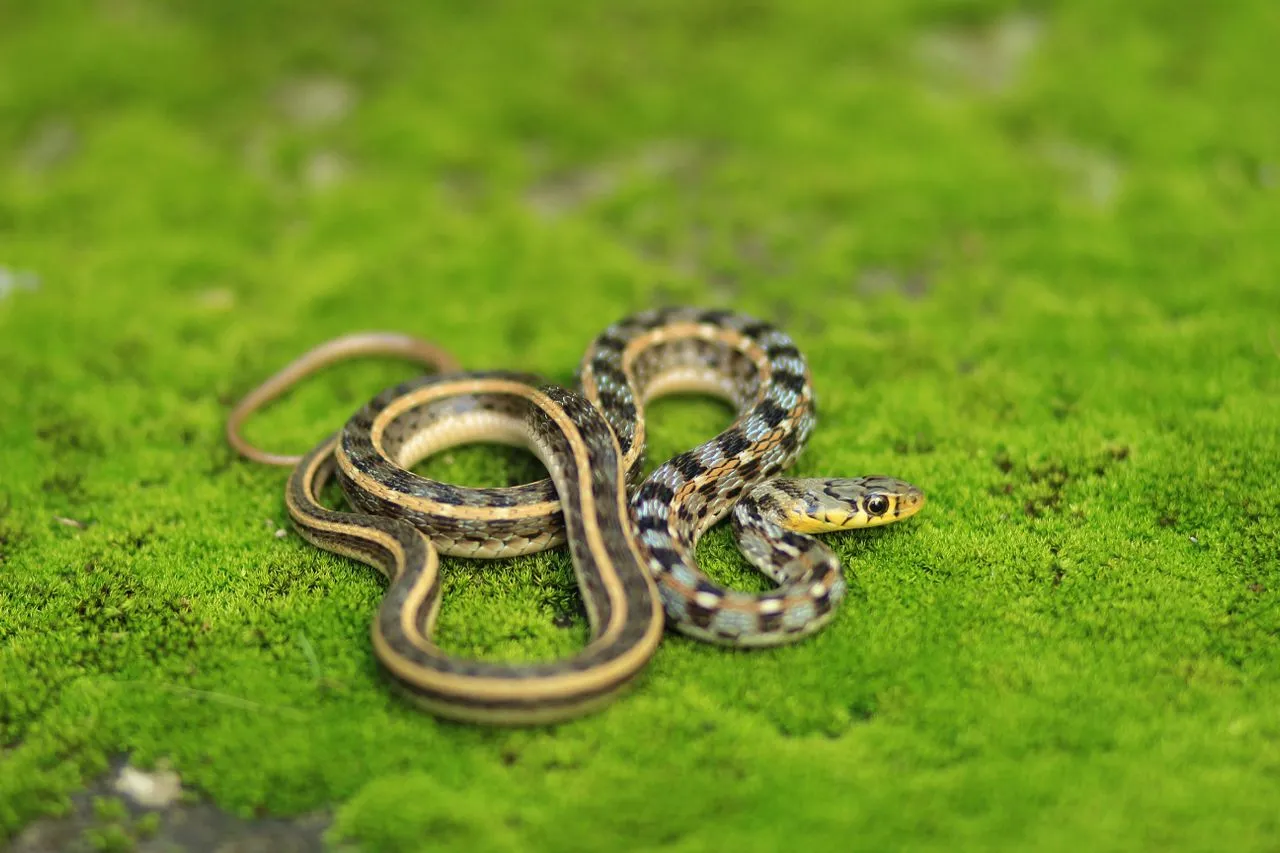
The Jacobson’s organ, also called the vomeronasal organ, is a specialized chemical-sensing structure located in the roof of a snake’s mouth.
After collecting chemical particles, the snake brings its tongue back into its mouth. Those chemicals are then delivered to the vomeronasal system, where the information can be processed by the nervous system.
Elemental Science describes the organ as having openings connected with the roof of the mouth, allowing chemical material collected by the tongue to reach the sensory system.
This is why the Jacobson’s organ is sometimes described as a second chemical-sensing system.
4. Can a Snake Tell Which Direction a Smell Is Coming From?
This is where the forked tongue becomes especially interesting.
The two tips of the tongue sample chemical information separately. If one side receives a stronger chemical signal than the other, the difference can provide directional information. Scientists have compared this to a kind of “stereo smell.”
Imagine a snake following the scent trail of prey.
Instead of simply knowing:
“Something smells like food.”
Its sensory system can provide information that helps answer:
“Is the stronger chemical signal coming from this side or that side?”
That can help the snake stay on a trail.
5. How Does This Help a Snake Find Prey?
For many snakes, chemical information is extremely useful when searching for food.
A prey animal can leave chemical traces in its surroundings. By repeatedly flicking its tongue, a snake can sample those traces and gather information about where the trail may lead.
This can be especially useful when visual information isn’t enough.
The snake isn’t literally “seeing” the scent trail. Instead, its brain is processing chemical information collected through its tongue and vomeronasal system.
This sensory ability can help a snake:
- 🐭 Follow prey trails
- 🐍 Detect other snakes
- ❤️ Locate potential mates
- ⚠️ Detect possible threats
- 🌿 Investigate its surroundings
6. Snake Smell Is More Than Just Finding Food
Chemical sensing isn’t only about hunting.
Snakes can use chemical information to learn about their surroundings and other animals.
For example, chemical signals can provide information related to reproduction and interactions with other snakes. The combination of ordinary smell and vomeronasal sensing gives snakes a detailed way to investigate their environment.
This becomes particularly useful for animals that spend much of their lives close to the ground, where scent trails can remain on surfaces.
7. Why Is This Useful When a Snake Can't See Clearly?
Snakes don’t all have poor eyesight, and their vision varies between species. But chemical sensing gives them another source of information that doesn’t depend entirely on seeing an object.
A snake moving through grass, leaves, soil, or other cluttered surroundings may encounter chemical traces that reveal the presence of another animal even when that animal isn’t immediately visible.
That’s one reason the tongue-flicking behavior is so important.
The snake is constantly gathering environmental information through chemistry.
Where Do Snakes Use This Amazing Sense?
Snakes live on almost every continent except Antarctica, occupying habitats ranging from deserts and grasslands to forests, wetlands, mountains, and even oceans.
Because the Jacobson’s organ is found across many snake groups, this type of chemical sensing is useful in a wide variety of environments.
Snake Smell vs Human Smell
| Feature | 🐍 Snake | 👤 Human |
|---|---|---|
| Nostrils | Yes | Yes |
| Tongue used for chemical sampling | Yes | No |
| Forked tongue | Yes | No |
| Jacobson’s organ | Yes | No |
| Directional chemical information | Highly specialized | Much less specialized |
| Chemical trails | Important for many behaviors | Not a major tracking system |
| Main role | Hunting, social cues, environmental sensing | Smell, taste, environmental information |
Myth vs Fact
| ❌ Myth | ✅ Fact |
|---|---|
| Snakes don’t have noses. | Snakes have nostrils and a nasal olfactory system. |
| A snake’s tongue does the actual smelling by itself. | The tongue collects chemical particles and helps deliver them to the vomeronasal organs. |
| Snakes taste everything with their tongues like humans taste food. | Their tongue is mainly used to collect chemical information from the environment. |
| Snakes put each tongue tip directly into a Jacobson’s organ opening. | Older explanations suggested this, but researchers now know the process is more complicated. |
| Tongue flicking means a snake is always about to attack. | Tongue flicking is primarily a sensory behavior used to gather chemical information. |
Quick Fun Facts
👅 Snake tongues are forked for a reason.
👃 Snakes really do have nostrils.
🧪 The Jacobson’s organ is also called the vomeronasal organ.
🧭 Chemical differences between the two sides of the tongue can help provide directional information.
🐭 Chemical trails can help snakes locate prey.
❤️ Chemical sensing can also play a role in finding potential mates.
🧠 A snake’s brain processes the chemical information gathered through its tongue very quickly.
Critter Challenge
Next time you see a snake safely from a distance, watch its tongue.
Ask yourself:
What information might it be collecting?
Is it moving through a new area? Searching for prey? Investigating another animal?
That tiny flick of the tongue is actually part of a sophisticated sensory system.
Frequently Asked Questions
Do snakes smell with their noses?
Yes. Snakes have nostrils and a conventional olfactory system, but they also rely heavily on their vomeronasal organs for detailed chemical sensing.
Why do snakes have forked tongues?
The forked tongue allows a snake to sample chemical information from two sides. Differences between those samples can help provide information about the direction of a scent trail.
What is Jacobson’s organ?
Jacobson’s organ, or the vomeronasal organ, is a specialized chemical-sensing organ located in the roof of a snake’s mouth.
Can snakes smell prey?
Yes. Chemical information collected from the environment can help snakes locate and follow prey trails.
CritterScore
👃 Chemical Detection: ⭐⭐⭐⭐⭐(5/5)
👅 Scent Collection: ⭐⭐⭐⭐⭐(5/5)
🧭 Directional Tracking: ⭐⭐⭐⭐⭐(5/5)
🧪 Chemical Analysis: ⭐⭐⭐⭐⭐(5/5)
👀 Dependence on Smell: ⭐⭐⭐⭐(4/5)
🏆 Standout Ability: Directional Chemical Tracking
Final Thoughts
A snake may look like it’s simply flicking its tongue for no particular reason, but that small movement is actually gathering information about the world around it.
Its nostrils detect airborne odors, while its forked tongue collects chemical particles and works with the Jacobson’s organ to provide more detailed information. In some situations, the difference between the two sides of the tongue can even help a snake work out which direction a scent trail leads.
So, snakes don’t really smell without a nose.
They have something more interesting: a nose, a forked tongue, and a specialized chemical-sensing organ working together.
That’s one of the many unusual adaptations that helps snakes survive in their environments. 🐍
If you’re curious about other animals with unusual abilities, take a look at How Fast can a Cheetah Run in Miles . And if you want to explore more fascinating animal senses and survival skills, keep exploring CritterPages.
Sources & References
National Geographic – Four Weird Ways Animals Sense the World
Live Science – Can Snakes Smell Anything?
Elemental Science – How Do Snakes Smell: The Jacobson Organ
SerpentID – Do Snakes Smell With Their Noses? Understanding Their Dual Sense of Smell