There isn’t one scientifically proven winner for the best sense of smell.
If we compare the number of olfactory receptor genes, African elephants stand out, with around 1,948 genes identified in one major study—more than dogs and rats in that comparison. But other animals are specialists in different kinds of smell. Male silk moths can detect extremely tiny amounts of female pheromones, while turkey vultures are highly adapted to finding food through scent.
So instead of asking “Which animal smells best?”, it is more accurate to ask “Which animal is best at a particular kind of smelling?”
What Makes an Animal's Sense of Smell Powerful?
Smell is not simply about having a big nose.
Animals detect odor molecules using specialized receptors. These receptors send signals to the brain, where the information can help an animal find food, recognize individuals, locate mates, avoid predators, or follow a trail.
Scientists can compare smell in several different ways, including:
- 🧬 Number of olfactory receptor genes
- 👃 Number and type of smell receptors
- 🧠 Structure of the olfactory system
- 🎯 Ability to detect particular chemicals
- 🐾 Ability to follow scent trails
- 🌿 How important smell is to the animal’s lifestyle
That’s why comparing a dog with an elephant or a moth isn’t as simple as comparing eyesight.
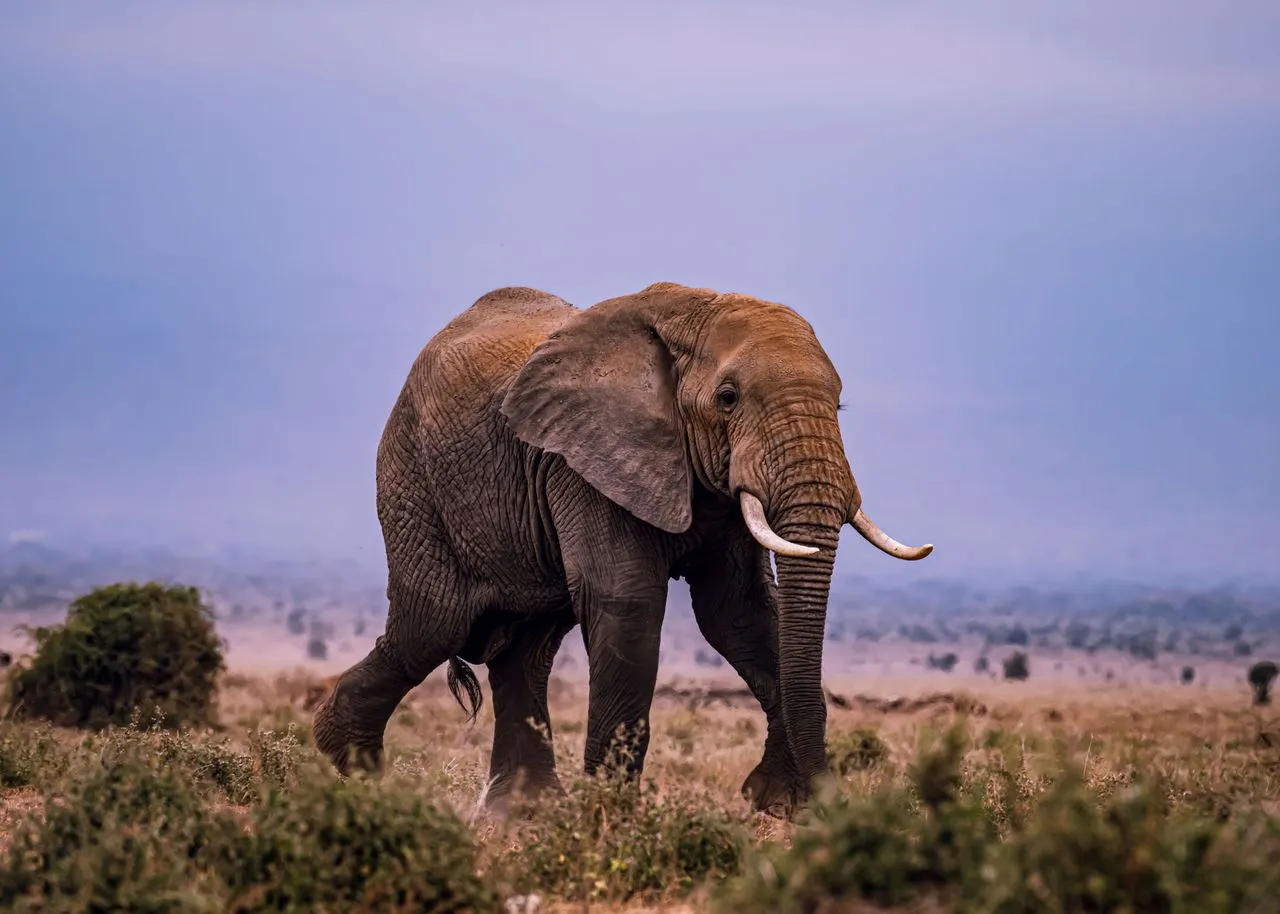
1. African Elephant - A Strong Contender
African elephants are one of the most impressive examples of animal olfaction.
A 2014 genetic study found approximately 1,948 olfactory receptor genes in the African elephant, the highest number among the mammals examined in that study. Dogs had about 811 and humans about 396.
Elephants use their sense of smell for much more than finding food.
Their trunks can collect chemical information from the environment, helping them investigate:
- Food
- Water
- Other elephants
- Potential predators
- Reproductive cues
Wildlife SOS also describes smell as an important part of how elephants identify and investigate their surroundings.
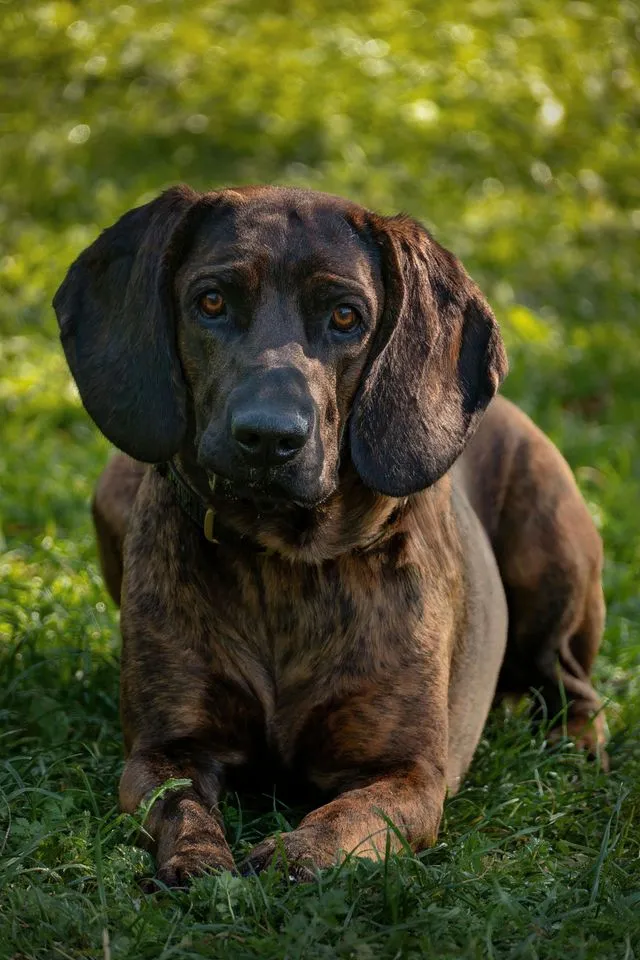
2. Bloodhound - The Famous Scent Tracker
When people think about powerful animal noses, dogs are usually near the top of the list.
Among dog breeds, bloodhounds are particularly famous for tracking scents. Their ability is not necessarily about detecting every possible odor better than every other animal. Instead, they are extremely useful at following scent trails.
A bloodhound can separate complex odor information and continue following a trail across an environment.
This makes its nose especially valuable for tracking.
The important distinction is:
Elephant = exceptional receptor diversity
Bloodhound = exceptional scent-tracking ability
Different skills, different strengths.
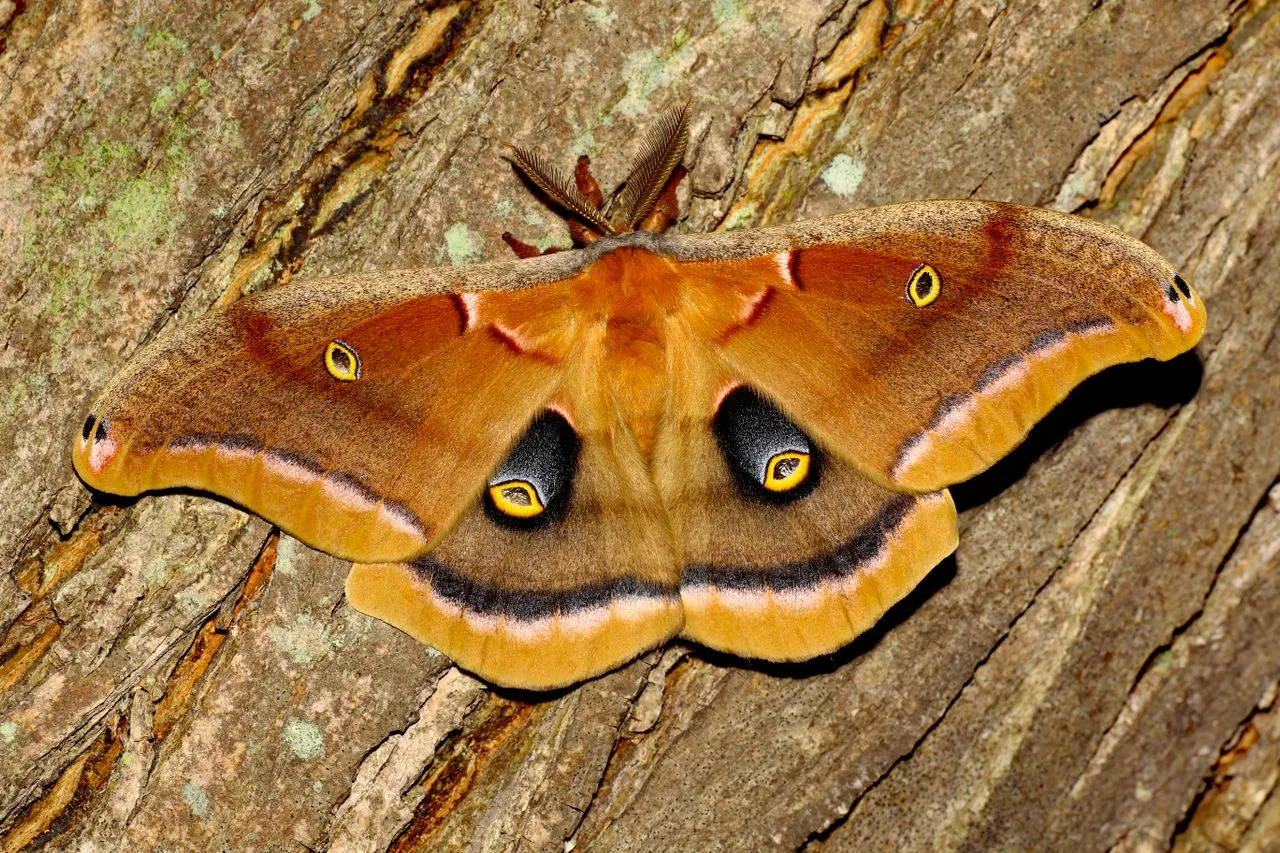
3. Silk Moth - The Tiny Smelling Champion
The male silk moth doesn’t have a nose like a mammal. Instead, it uses sensitive receptors on its feathery antennae to detect chemical signals.
According to Live Science and Discover Wildlife, male silk moths can detect female pheromones at extraordinarily low concentrations. Some sources report detection of a single pheromone molecule under experimental conditions.
Male silk moths can also locate females from several kilometres away by following these chemical signals.
That makes them an excellent example of why there is no simple “best nose.”
The silk moth isn’t winning because it has a giant olfactory organ.
It’s winning because its sensory system is extremely sensitive to the particular chemical signal that matters for reproduction.
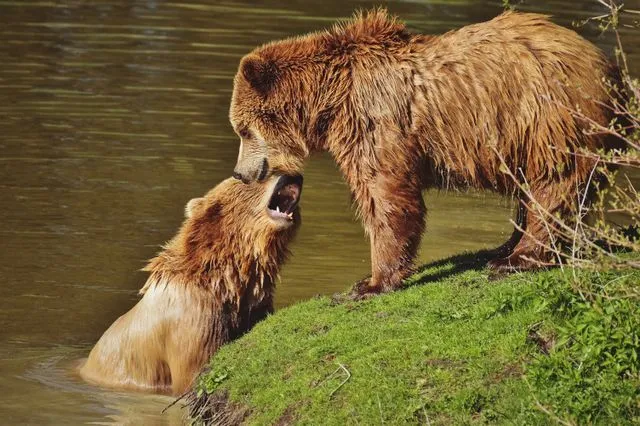
4. Bears - An Extraordinary Sense of Smell
Bears are also famous for their powerful sense of smell.
Wildlife SOS reports that bears have highly developed olfactory systems, including large olfactory bulbs and extensive nasal tissue.
Their smell is useful for locating food across large areas.
For a bear living in a huge landscape, smell can reveal information that isn’t obvious from sight alone.
A scent can help a bear investigate something long before it reaches the location.
Polar bears are particularly interesting because smell is important for locating seals in their Arctic environment. Discover Wildlife notes evidence that polar bears can detect seal breathing holes from around 3 kilometres away under suitable conditions.
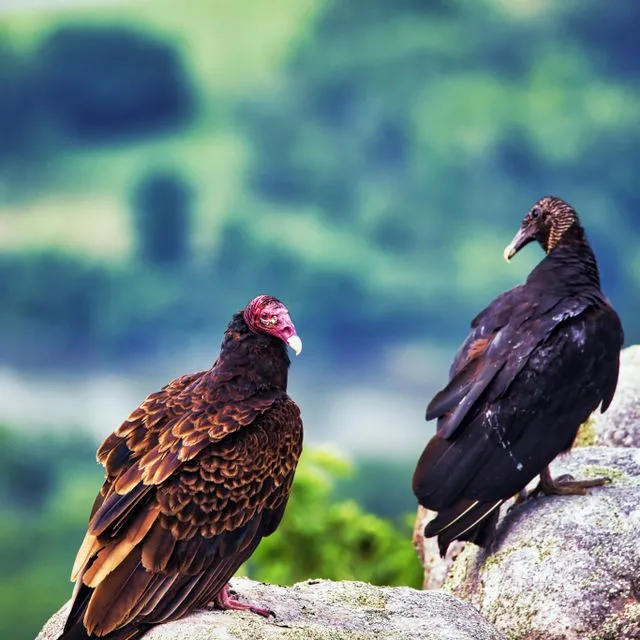
5. Turkey Vulture - A Bird That Hunts With Its Nose
Most people associate birds with excellent eyesight.
Turkey vultures are a great reminder that some birds also rely heavily on smell.
They use chemical cues to locate carrion, even while flying over large areas. Live Science notes that turkey vultures are among the birds with especially keen senses of smell.
A-Z Animals also highlights their exceptional olfactory system and their ability to locate carrion using scent.
6. Fish Can Smell Underwater
Smell isn’t limited to animals breathing air.
Fish can detect dissolved chemicals in water.
Catfish are particularly well known for their chemical sensitivity. Their olfactory organs contain folds of sensory tissue that help them detect chemical signals in their aquatic environment.
Salmon provide another fascinating example.
Young salmon can learn chemical cues associated with their home waters. Later, those odors can help guide them back toward their birthplace during migration.
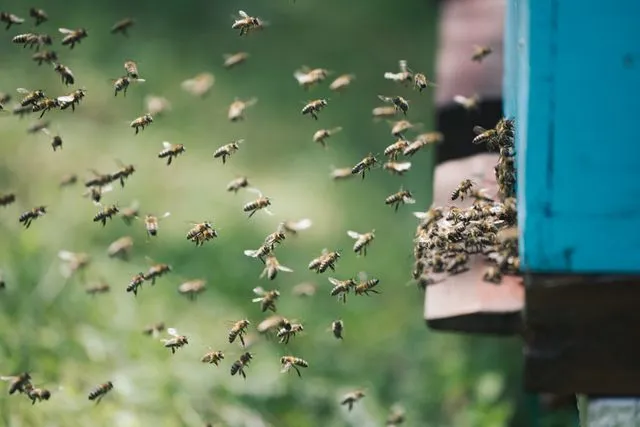
7. Bees Smell With Their Antennae
Honey bees don’t have noses like mammals, but they absolutely can detect odors.
Their antennae contain microscopic sensory structures called sensilla, which detect chemical signals.
Smell helps bees recognize colony-related scents and communicate information through chemical signals.
This shows an important point:
An animal doesn’t need a nose to have an impressive sense of smell.
Different animals have evolved completely different structures for detecting chemicals.
Where Do Animals Use Their Sense of Smell?
Powerful chemical senses occur across almost every major animal habitat.
Different Animals, Different Smelling Superpowers
| Animal | Special Smelling Ability |
|---|---|
| 🐘 African elephant | Huge diversity of olfactory receptor genes |
| 🐕 Bloodhound | Exceptional scent tracking |
| 🦋 Silk moth | Extremely sensitive pheromone detection |
| 🐻 Polar bear | Locating prey through scent |
| 🦃 Turkey vulture | Detecting carrion while flying |
| 🐟 Salmon | Using chemical cues during migration |
| 🐝 Honey bee | Detecting chemical communication signals |
| 🐍 Snake | Combining nose and vomeronasal sensing |
The key lesson is that “best” depends on what you’re measuring.
Myth vs Fact
| ❌ Myth | ✅ Fact |
|---|---|
| The elephant is definitely the world’s best smeller. | Elephants have the most olfactory receptor genes among mammals examined in a major comparison, but that doesn’t automatically make them best at every type of smell. |
| Dogs have the strongest sense of smell of every animal. | Dogs are exceptional scent trackers, but other animals outperform them in particular types of chemical detection. |
| Only animals with noses can smell. | Insects such as silk moths and honey bees detect odors using structures on their antennae. |
| A bigger olfactory bulb always means better smell. | Olfactory bulb size alone does not provide a complete measure of smelling ability. |
| Sharks can smell one drop of blood in the entire ocean. | Sharks can detect very low concentrations of some chemicals, but the famous “one drop of blood in the ocean” claim is misleading. |
Quick Fun Facts
🐘 African elephants have around 1,948 olfactory receptor genes in one major study.
🦋 Male silk moths can detect extremely tiny amounts of female pheromones.
🐕 Bloodhounds are famous for following scent trails.
🐻 Bears have highly developed olfactory systems.
🦃 Turkey vultures use smell to help locate carrion.
🐟 Salmon can use chemical cues to help find their way home.
🐝 Honey bees use scent as part of communication and colony recognition.
Quick Quiz
Which animal is famous for detecting extremely tiny amounts of pheromones with its antennae?
A. African elephant
B. Turkey vulture
C. Silk moth
D. Salmon
✅ Correct Answer: C – Silk moth
Critter Challenge
Imagine you are designing a smell test for animals.
Would you test:
A. How many different smells they can recognize?
B. How tiny an amount they can detect?
C. How far they can track a scent?
There isn’t necessarily one winner because each test measures a different part of olfactory ability.
That’s exactly why scientists are careful when comparing animal senses of smell.
Frequently Asked Questions
Which animal has the best sense of smell?
There is no single scientifically established winner. African elephants stand out for their large number of olfactory receptor genes, while other animals such as silk moths, bloodhounds, bears, and turkey vultures excel at particular types of chemical detection.
Do elephants smell better than dogs?
Elephants have far more olfactory receptor genes than dogs in the major comparison discussed above, but receptor-gene number doesn’t directly measure every aspect of smelling ability. Dogs are highly specialized for scent tracking.
Which animal can detect the smallest amount of scent?
Male silk moths are among the strongest examples. They can detect extremely tiny concentrations of female pheromones using receptors on their antennae.
Why is smell important to animals?
Animals use chemical information for many reasons, including finding food, locating mates, recognizing individuals, avoiding predators, navigating, and communicating.
CritterScore
🐘 African Elephant – Receptor Diversity: ⭐⭐⭐⭐⭐(5/5)
🐕 Bloodhound – Scent Tracking: ⭐⭐⭐⭐⭐(5/5)
🦋 Silk Moth – Chemical Sensitivity: ⭐⭐⭐⭐⭐(5/5)
🐻 Bear – Long-Range Scenting: ⭐⭐⭐⭐(4/5)
🦃 Turkey Vulture – Aerial Scent Detection: ⭐⭐⭐⭐(4/5)
🐟 Salmon – Chemical Navigation: ⭐⭐⭐⭐(4/5)
🐝 Honey Bee – Chemical Communication: ⭐⭐⭐⭐(4/5)
🏆 Standout Ability: Different Animals Excel at Different Types of Smell
Final Thoughts
So, what animal has the best sense of smell?
There isn’t one simple answer.
An African elephant stands out for its huge number of olfactory receptor genes. A bloodhound is an extraordinary scent tracker. A male silk moth can detect incredibly tiny amounts of a specific pheromone. A turkey vulture uses smell to locate carrion, while salmon use chemical information to navigate through water.
Each one has a smelling system shaped around the challenges of its own life.
That’s what makes animal senses so interesting. Nature didn’t create one perfect nose—it created many different solutions to the same basic problem: finding useful information hidden in the environment.
If you want to explore another unusual animal sense, check out How Do Snakes Smell Without a Nose? How the Jacobson’s Organ Works. And for more unusual abilities across the animal kingdom, explore 10 Amazing Animals With Unique Abilities in Nature.
Keep exploring more animal abilities with CritterPages. 🐾
Sources & References
Live Science – Which animal has the best sense of smell?
Discover Wildlife – Which animal has the best sense of smell?
Wildlife SOS – The Scent-sational Wonders Of Animals!
A-Z Animals – The 20 Animals with the Strongest and Best Sense of Smell