
Red pandas may look cute and harmless, but their survival in the wild is becoming more difficult every year.
Introduction
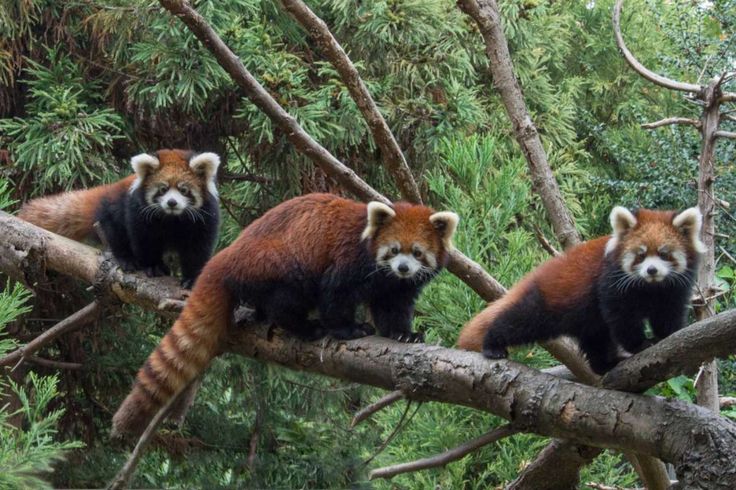
Red pandas are small, tree-living mammals mainly found in the forests of the Himalayas and nearby regions. They are known for their reddish fur, fluffy tails, and quiet nature. Even though many people love these animals, red pandas are now considered endangered due to several growing threats. Understanding these problems is important for protecting them in the future.
What Makes Red Pandas Special?
Red pandas are unique animals with features that help them survive in cold mountain forests.
They:
- Spend most of their time in trees
- Eat mainly bamboo
- Have thick fur for cold weather
- Use their long tails for balance
Despite their name, they are not closely related to giant pandas.
Why Are Red Pandas Endangered?
1. Habitat Loss
The biggest threat to red pandas is deforestation.
Forests are being cleared for:
- Farming
- Roads
- Construction
This destroys the natural environment where red pandas live and find food.
2. Climate Change
Changes in temperature affect bamboo growth, which is the main food source for red pandas.
Without enough bamboo, survival becomes difficult.
3. Illegal Hunting
Some red pandas are hunted for their fur or captured illegally for the pet trade.
This reduces their already small population.
4. Human Disturbance
Tourism and human activity in forest areas can disturb red pandas and force them away from safe habitats.
Why Are Red Pandas Important?
Red pandas help maintain balance in forest ecosystems.
Protecting them also helps protect many other species living in the same environment.
How Can They Be Protected?
Red panda conservation includes:
- Protecting forests
- Reducing illegal hunting
- Creating wildlife reserves
- Spreading awareness
Interesting Facts About Red Pandas
- Red pandas are excellent climbers
- They are mostly active at night
- Their tails help keep them warm during cold weather
- They communicate using soft sounds and body movements
Conclusion
Red pandas are facing serious threats from habitat destruction, climate change, and illegal hunting. Protecting these animals is important for preserving forest ecosystems and wildlife diversity.