How can the same animal be brown in summer and completely white in winter? The Arctic fox does exactly that—and it’s not just for looks.
Introduction
The Arctic fox is one of the most adaptable animals on Earth. Living in extreme cold conditions, it has developed a unique ability to change its fur color with the seasons. But why does this happen, and how does it help the fox survive?
What Is an Arctic Fox?
The Arctic fox is a small mammal found in the Arctic regions of the Northern Hemisphere. It is known for its thick fur, sharp hearing, and ability to survive freezing temperatures.
Why Do Arctic Foxes Change Color?
The main reason is camouflage.
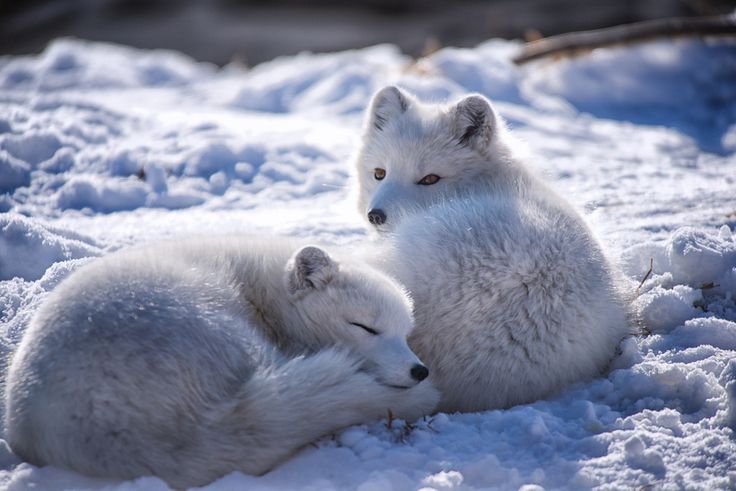
- In winter → white fur blends with snow
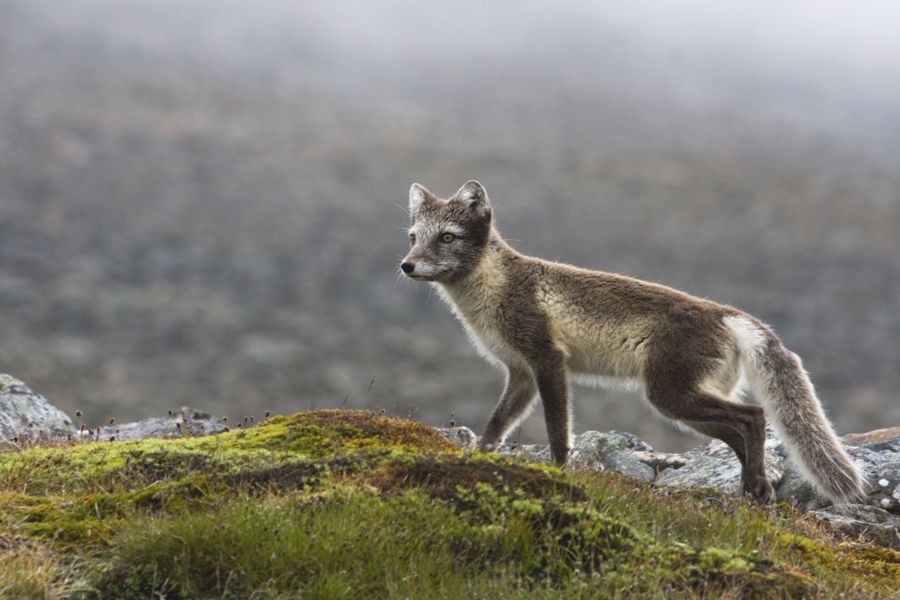
- In summer → brown or gray fur matches rocks and soil
👉 This helps them stay hidden from predators and prey.
How Does the Color Change Happen?
The change is triggered by seasonal changes in daylight and temperature.
As seasons shift:
- Their body produces different hormones
- Old fur sheds
- New fur grows in a different color
👉 This process is called molting
How Does This Help Them Survive?
1. Avoid Predators
White fur in snow makes them almost invisible.
2. Hunt More Effectively
They can sneak up on prey without being noticed.
3. Adapt to Harsh Environments
Their fur also becomes thicker in winter to keep them warm.
Do All Arctic Foxes Change Color?
Most do, but not all.
Some Arctic foxes remain darker throughout the year. These are called “blue morph” foxes and are usually found in coastal areas.
Interesting Facts About Arctic Foxes
- They can survive temperatures as low as -50°C
- Their fur is one of the warmest in the animal kingdom
- They follow polar bears to eat leftover food
- They have excellent hearing to detect prey under snow
Conclusion
The Arctic fox’s ability to change color is a powerful survival strategy. It helps them stay hidden, hunt efficiently, and survive in one of the harshest environments on Earth.