Cats purr when they’re happy—but that’s not the whole story. Sometimes, they purr even when they’re hurt or stressed.
Introduction
Purring is one of the most common sounds cats make, and many people associate it with happiness. However, cats purr for several reasons, not just when they are relaxed. Understanding why cats purr can help you better understand their behavior.
What Is Purring?
Purring is a soft, vibrating sound that cats produce from their throat. It happens when the muscles around their vocal cords rapidly move while they breathe in and out.
👉 This creates a continuous, soothing sound.
Why Do Cats Purr?
1. Happiness and Comfort
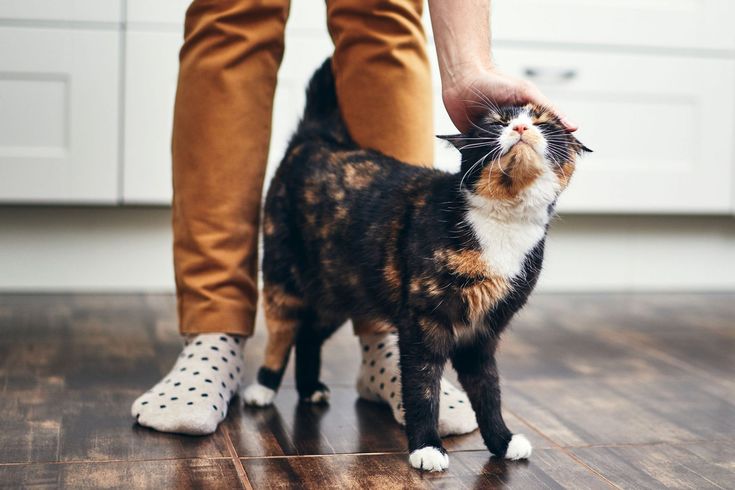
Cats often purr when they feel safe and relaxed.
Examples:
- Sitting on your lap
- Being petted
- Resting in a comfortable place
2. Communication
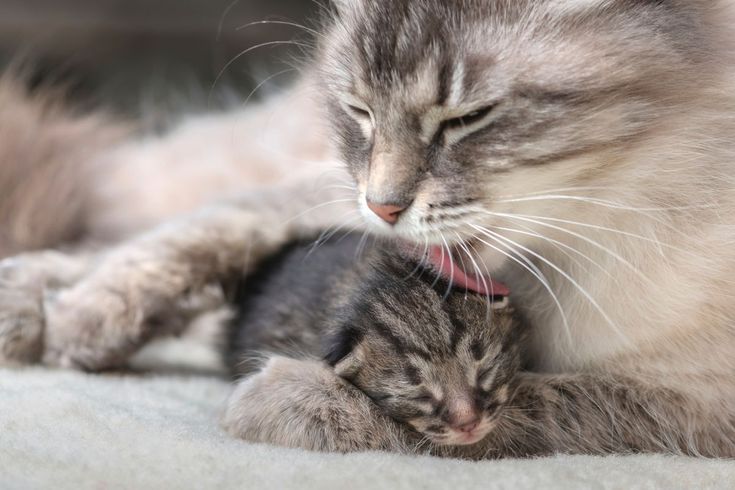
Kittens purr to communicate with their mother.
Adult cats may also purr to:
- Get attention
- Ask for food
- Show friendliness
3. Self-Healing
This is the surprising part.
Scientists believe that purring vibrations may help:
- Heal bones and tissues
- Reduce pain
- Lower stress
👉 This could explain why cats purr when they are injured.
4. Stress or Fear
Cats sometimes purr when they are:
- Scared
- In pain
- At the vet
👉 It may help them calm themselves.
Do All Cats Purr?
Most domestic cats purr, but not all big cats can.
- Lions → roar, but don’t purr like house cats
- Tigers → similar behavior
👉 Purring ability depends on the structure of the throat.
Interesting Facts About Cat Purring
- Cats can purr while breathing in and out
- Purring frequency is usually between 25–150 Hz
- Even newborn kittens can purr
- Some cats purr louder than others
Conclusion
Cats purr for many reasons, not just happiness. It can be a sign of comfort, communication, or even healing. Understanding purring helps you better connect with your cat and recognize what it might be feeling.