Giraffes have the longest necks in the animal kingdom—but is it only for eating leaves, or is there more to the story?
Why Do Giraffes Have Long Necks? The Real Reason Explained
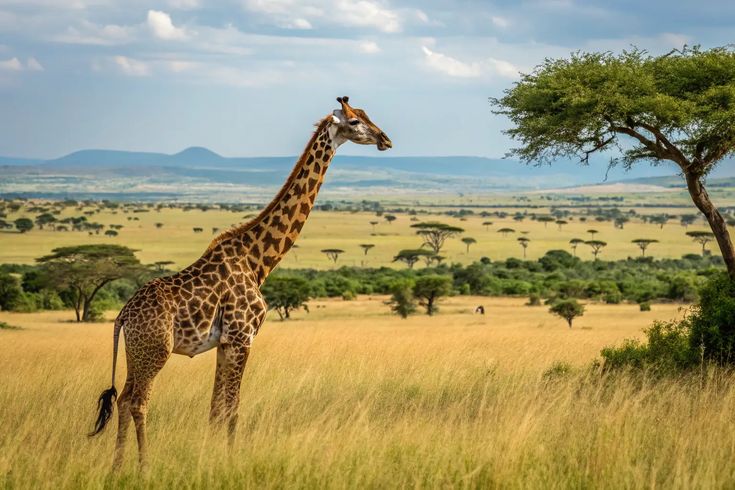
Giraffes are one of the most recognizable animals in the world because of their long necks. While many people believe their necks evolved only to help them reach tall trees, scientists have found that there are several reasons behind this unique feature. Their long neck is not just about food—it also plays an important role in survival and behavior.
Reaching Food Others Can’t
One of the main advantages of a long neck is access to food. Giraffes can easily reach leaves high up in trees, especially from acacia trees that other animals cannot access.
👉 This reduces competition for food and helps them survive in areas where resources are limited.
Spotting Danger Early
A long neck also gives giraffes a better view of their surroundings. They can see predators like lions from a distance and react quickly.
👉 This early warning system increases their chances of survival.
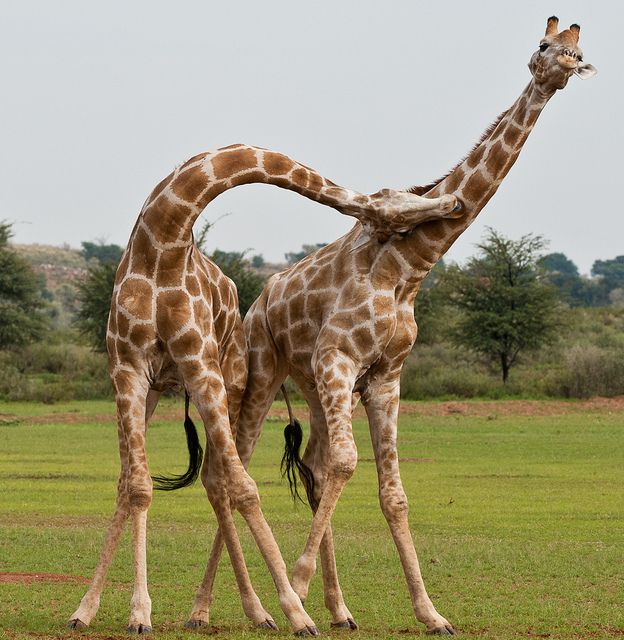
Neck Fighting (A Surprising Reason)
Male giraffes use their necks in fights, a behavior called “necking.”
They:
- Swing their necks
- Hit each other with force
👉 The stronger giraffe wins and gets a better chance to mate.
Efficient Movement and Balance
Even though their necks are long, giraffes are well-balanced animals. Their bodies are built to support this structure, allowing them to run fast and move efficiently.
Interesting Facts About Giraffes
- A giraffe’s neck can be over 6 feet long
- They have the same number of neck bones as humans (7), but much larger
- Giraffes can run up to 60 km/h
- Their tongues can be up to 45 cm long
Conclusion
Giraffes have long necks for more than just eating. It helps them find food, detect danger, and compete for mates. This unique feature is a perfect example of how animals adapt to survive in their environment.