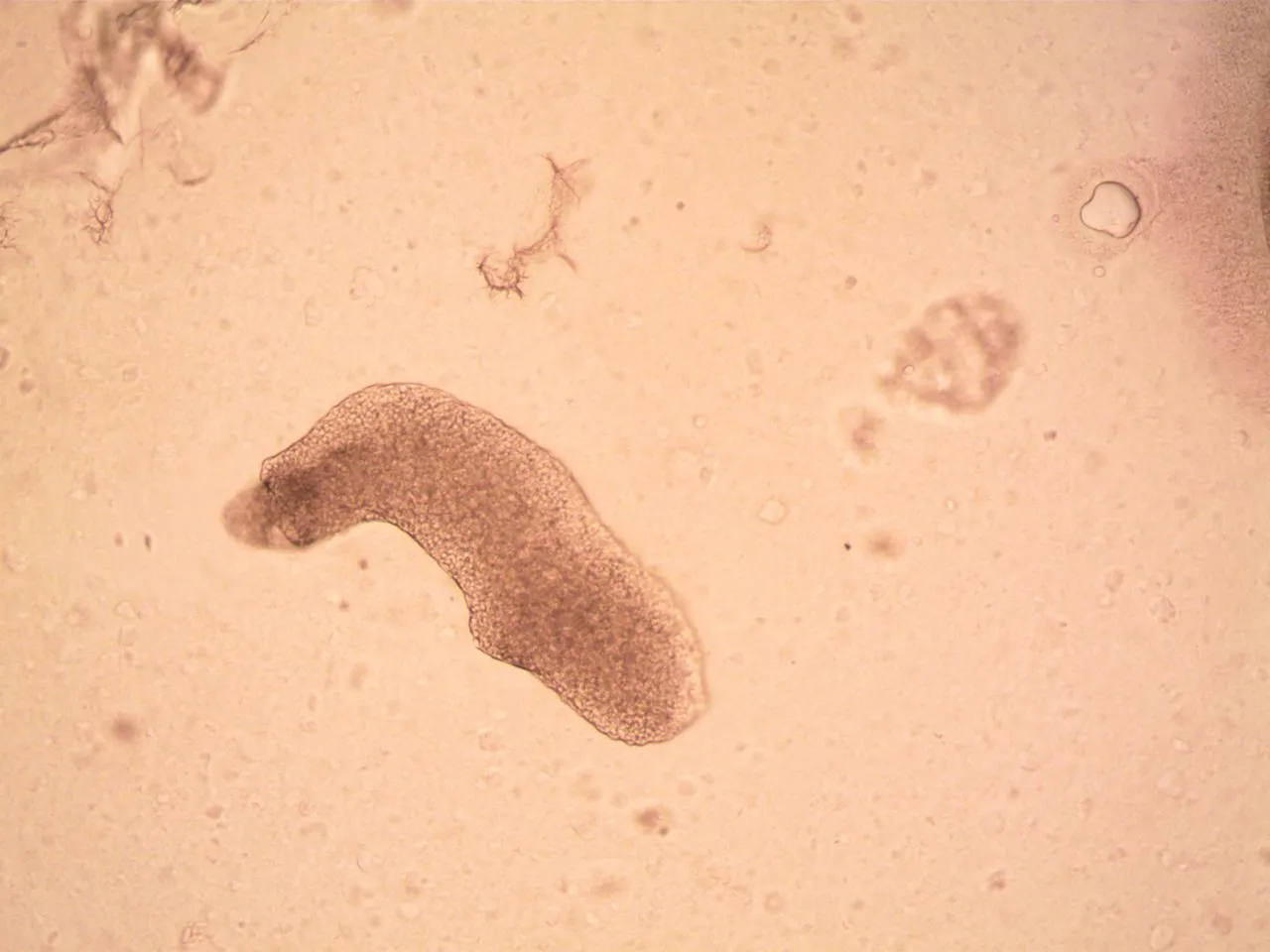
called cryptobiosis. When water disappears, they lose most of the water in their bodies, shrink into a tiny dried form called a tun, and slow their metabolism to an extremely low level.
This helps protect them from dehydration, extreme cold, and other stressful conditions. They also have special proteins that can help protect their DNA from radiation damage. Experiments have shown that some tardigrades can survive exposure to the vacuum of space for a limited period.
But there is an important point: tardigrades are not actually space animals. They normally live on Earth, often in places such as moss, lichen, soil, freshwater, and marine environments. Their incredible space survival ability comes from adaptations that evolved for surviving difficult conditions on Earth.
| Fact | Details |
|---|---|
| Common name | Water bear |
| Scientific group | Tardigrada |
| Size | Usually around 0.05–1.2 mm |
| Legs | 8 |
| Main survival trick | Cryptobiosis |
| Special dried form | Tun |
| Habitat | Moss, lichen, soil, freshwater, marine environments |
| Space survival | Demonstrated in experiments |
| Famous ability | Surviving extreme environmental conditions |
Tardigrades are microscopic animals with eight short legs. National Geographic notes that roughly 1,300 species have been identified, and they can be found in environments ranging from moss and lichen to deep-sea habitats and hot springs.
So, How Do Tardigrades Survive in Space?
Space is an extremely hostile environment for most life.
There is no breathable atmosphere, almost no pressure, intense radiation, and huge temperature differences. A human cannot survive in the vacuum of space without protection.
Tardigrades have a very different strategy.
Instead of trying to remain active, they can essentially shut down their normal life processes when conditions become dangerous.
That ability is called cryptobiosis.
1. They lose most of their body water
Water is essential for normal life. But when a tardigrade’s surroundings dry out, it can push out most of the water in its body.
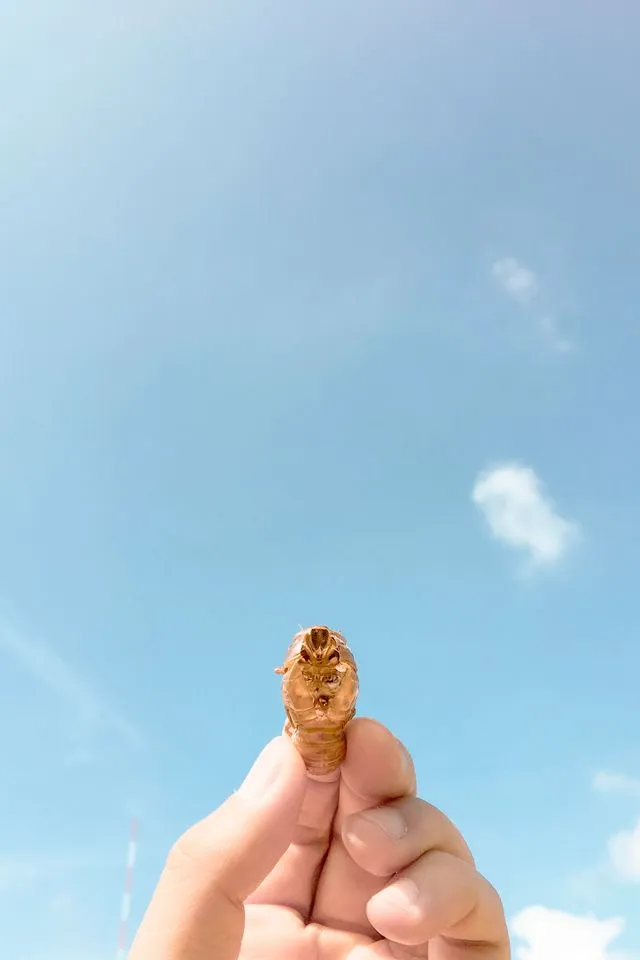
Its body shrinks, its legs and head pull inward, and it becomes a small, compact structure known as a tun.
The National Space Centre describes this as anhydrobiosis – a form of cryptobiosis associated with extreme dehydration. Some tardigrades can lose around 97% of their body water during this process.
The animal isn’t simply “sleeping” like a human.
Its metabolism drops dramatically, allowing it to remain in a nearly inactive state until water becomes available again.
When conditions improve, the tardigrade can absorb water and return to an active state.
2. Their metabolism almost shuts down
Normally, animals need energy to move, eat, grow, repair cells, and reproduce.
A tardigrade in a tun state does almost none of this.
Its metabolism becomes extremely low.
This is one reason tardigrades can remain in a dormant condition for very long periods. National Geographic reports that tardigrades can go for decades without food or water under suitable dormant conditions.
This is useful in space because the animal isn’t trying to continue normal biological activity while exposed to an environment where normal biology would be extremely difficult.
In simple terms:
Instead of fighting the environment, the tardigrade waits it out.
3. Special proteins help protect their DNA
Surviving dehydration is only part of the story.
Radiation is another major problem in space.
Tardigrades have proteins that can help protect their DNA from radiation-related damage.
One of the best-known is called Dsup, short for “damage suppressor.”
Research summarized by Chemical & Engineering News found that Dsup can bind to chromatin – the material that packages DNA – and form a protective layer around it. This can help shield DNA from damaging molecules produced by radiation.
This doesn’t mean tardigrades are completely immune to radiation.
They can still be damaged.
Their advantage is that they have unusually effective ways of reducing and repairing some of that damage.
4. Their antioxidant defenses are also important
More recent research has revealed that tardigrades have an even more complicated defense system.
A 2024 study highlighted a tardigrade species called Hypsibius henanensis. Researchers found thousands of genes responding to radiation exposure, including genes associated with DNA repair and cellular protection.
One gene called DODA1 was linked to the production of betalain pigments. These compounds can act as antioxidants and help deal with harmful reactive chemicals produced by radiation.
This gives scientists an interesting new question:
Could some of these natural protection mechanisms eventually help humans?
Researchers are investigating that possibility, although practical human applications are still a long way from being established.
Have Tardigrades Really Been to Space?
Yes.
This isn’t just a laboratory thought experiment.
In 2007, tardigrades were sent into low Earth orbit as part of a European space experiment. Some were exposed directly to the vacuum of space for about 10 days.
According to reporting on the experiment, about 68% of the animals in one group survived and later produced normal offspring.
Tardigrades were also sent into space on later missions, including experiments involving the International Space Station.
So when people call tardigrades “animals that can survive in space,” there is real experimental evidence behind the claim.
However, surviving a limited exposure to space is not the same as living permanently in space.
That’s an important difference.
Where Do Tardigrades Live?
Tardigrades are found across the world.
Many terrestrial species live in moss and lichen, where tiny amounts of water can appear and disappear as the environment changes. Others live in soil, freshwater environments, marine habitats, and other places.
Why Don't Tardigrades Just Die in Space?
The short answer is that their bodies can enter a protective state before extreme conditions cause irreversible damage.
Think of it like putting a computer into an extremely deep sleep before shutting down its normal functions.
The tardigrade:
Loses water → shrinks → enters a tun state → slows metabolism → protects cellular material → waits for better conditions.
Once water returns, it can rehydrate and become active again.
Of course, biology is much more complicated than this simple comparison, but it gives us a useful picture of what is happening.
CritterScore: Tardigrade Survival Skills
🧬 Extreme Environment Survival: ⭐⭐⭐⭐⭐(5/5)
☢️ Radiation Resistance: ⭐⭐⭐⭐⭐(5/5)
💧 Dehydration Survival: ⭐⭐⭐⭐⭐(5/5)
❄️ Cold Tolerance: ⭐⭐⭐⭐⭐(5/5)
🚀 Space Vacuum Survival: ⭐⭐⭐⭐(4/5)
🏃 Active Survival in Harsh Conditions: ⭐⭐(2/5)
Standout Ability: Entering cryptobiosis and protecting cells during extreme environmental stress.
Myth vs Fact
| Myth | Fact |
|---|---|
| 🛸 Tardigrades are space animals. | Tardigrades are Earth animals that can survive certain space conditions for limited periods. |
| ☢️ Radiation cannot hurt tardigrades. | They are highly radiation-resistant, but radiation can still cause damage. |
| 😴 A tardigrade is simply sleeping in space. | It enters a special low-metabolism state called cryptobiosis. |
| 🌙 Tardigrades can live permanently on the Moon. | There is no evidence that they can establish a population and live normally on the Moon. |
| 💧 Tardigrades don’t need water. | They need water for normal active life; their survival trick is tolerating extreme dehydration. |
| 🧬 Scientists have completely solved their survival secret. | Researchers understand several mechanisms, but tardigrade resilience is still an active area of research. |
Quick Tardigrade Quiz
1. What is the dried survival form of a tardigrade called?
A) Cocoon
B) Tun
C) Shell
D) Pod
2. What happens to a tardigrade during extreme dehydration?
A) It grows larger
B) It loses most of its body water
C) It develops wings
D) It stops having DNA
3. What does Dsup help protect?
A) Its claws
B) Its digestive system
C) Its DNA
D) Its eyes
4. Where do many terrestrial tardigrades live?
A) Moss and lichen
B) Desert sand dunes only
C) Tree trunks only
D) Icebergs only
Answers: 1-B, 2-B, 3-C, 4-A
Critter Challenge
Find a patch of moss or lichen near your home.
You probably won’t be able to see a tardigrade with your eyes because these animals are microscopic. But imagine how much life could be hiding inside that tiny patch of green.
Challenge: Search for a microscope image or video of a living tardigrade and look closely at its eight legs.
Then ask yourself:
How can an animal this tiny survive conditions that would be deadly to humans?
That’s what makes tardigrades so fascinating.
FAQs
Can tardigrades really survive in space?
Yes. Experiments have demonstrated that some tardigrades can survive exposure to the vacuum of space for limited periods.
Do tardigrades live in space?
No. They are Earth-dwelling animals. They have been transported into space during scientific experiments, but space is not their natural habitat.
How long can tardigrades survive without water?
Some tardigrades can remain dormant for very long periods when dehydrated. Their ability depends on the species and environmental conditions.
What is cryptobiosis?
Cryptobiosis is a state in which an organism’s metabolic activity becomes extremely low in response to harsh conditions. Tardigrades are especially famous for using this survival strategy.
Can tardigrades survive radiation?
They are unusually resistant to radiation compared with many other animals. Proteins such as Dsup and other cellular defense mechanisms help protect them from radiation-related damage.
Can humans become as resistant as tardigrades?
Not with anything currently available. Scientists are studying tardigrade proteins and survival mechanisms to understand whether some of these natural defenses could eventually have useful applications in medicine or space exploration.
Conclusion
Tardigrades don’t survive space because they are invincible little superheroes. Their real advantage is much more interesting.
They can dry themselves out, enter a nearly inactive state, protect their DNA, and wait until conditions become suitable again. Experiments in space have shown just how impressive this strategy can be.
And the more scientists study these tiny animals, the more complicated their survival system becomes.
If you enjoyed this article, you can continue exploring [How Do Pufferfish Protect Themselves?] and [What Animal Has the Best Sense of Smell? ].
Keep exploring more animal abilities with CritterPages. 🐾
Sources
Space.com – Tardigrades and radiation survival
Chemical & Engineering News – How do tardigrades survive in space?
National Geographic – Tardigrade facts
National Space Centre – Tardigrades: The Ultimate Survivors